Soles
How Long Do Work Boots Last?
The construction decides. The brand barely matters.
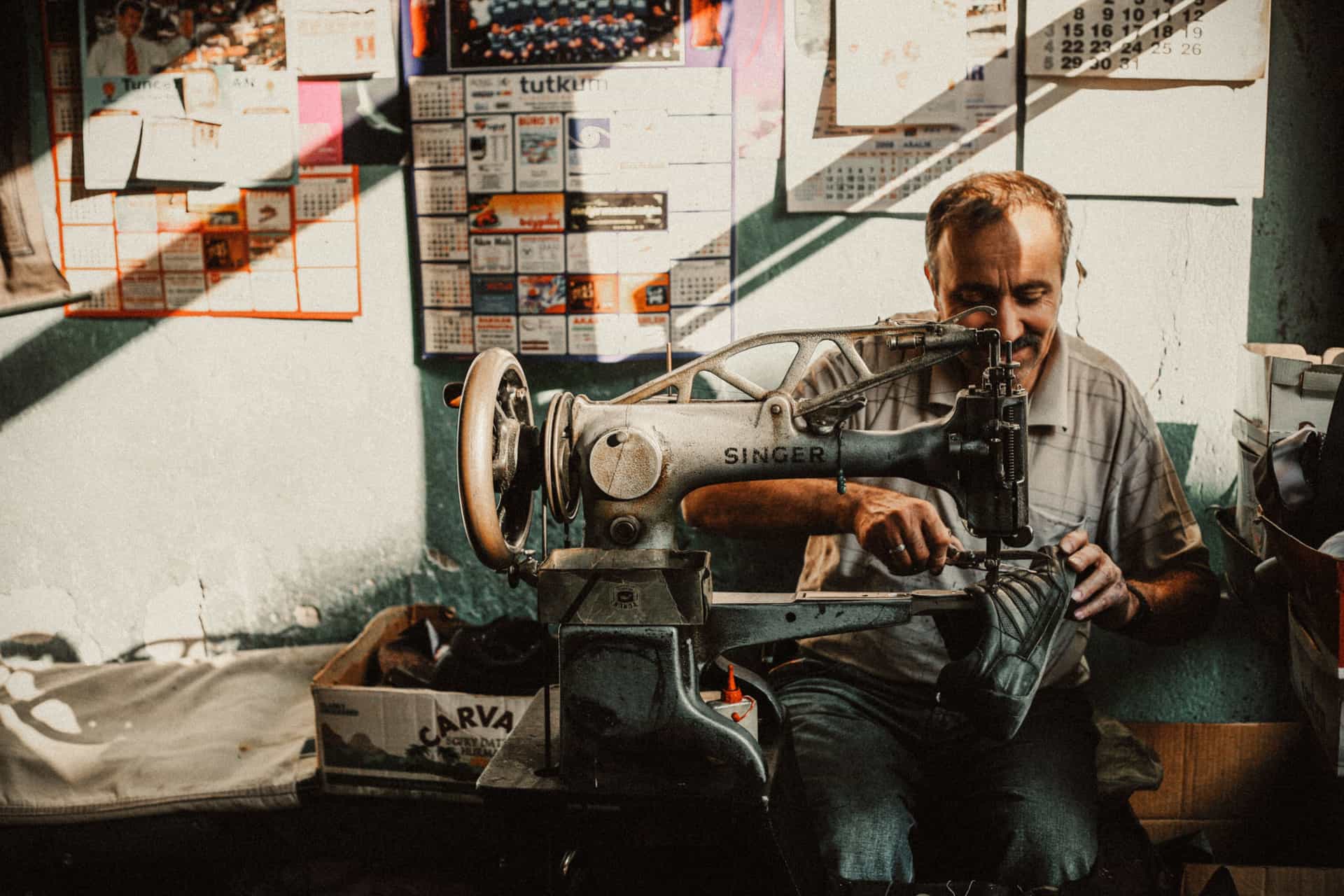
Disclosure: product links on this page go to Amazon. As an Amazon Associate we earn from qualifying purchases, at no extra cost to you. It does not change which boots we recommend or the order they appear in — here is the full disclosure.
Quick picks
| # | Product | Best for | Toe & rating | Price |
|---|---|---|---|---|
| 1 |  Thorogood American Heritage 6" Moc Toe Safety Toe MAXWear Wedge (804-4200) A Goodyear-welted, USA-built wedge with a steel toe and an EH rating — the default answer for anyone who stands on a flat hard floor and wants a boot that can be resoled. | Storm welt — resoleable several times | Steel safety toe, moc toe shapeASTM F2413-18, EH | |
| 2 |  White's Boots The Original Smokejumper Handsewn stitchdown, leather midsole, NFPA-certified and built to be rebuilt — the reference point for what a resoleable boot actually costs. | Rebuildable for a working career | Soft toe on the Original Smokejumper; White's lists safety-toe models separatelyNFPA certified for wildland fire; no ASTM F2413 protective toe on the soft-toe Original | |
| 3 |  Red Wing King Toe 6-inch Waterproof Safety Toe Boot (#2240) Red Wing publishes 44% more toe room than a standard work boot and stocks four widths — the clearest answer on this list for a foot that fights every other last. | A maker that runs its own repair service | Non-metallic safety toeASTM F2413-24, I/C, EH | |
| 4 | Cat Footwear Second Shift 6" Steel Toe Work Boot (15961M) An oiled full-grain steel-toe boot with an EH rating and a steel shank at the bottom of the price range — the honest floor for a boot whose maker publishes what it is certified to. | The disposable end, honestly priced | Steel safety toeSteel toe protects against impact and compression (ASTM F2413-18); Electrical Hazard protection (ASTM F2413-18) |
Tap a row to jump to that boot's full write-up. The price column goes straight to Amazon.
Lifespan by construction
Four constructions dominate work footwear, and they fail in different ways at different times. These are realistic ranges for a boot worn five days a week; occasional wear multiplies all of them.
| Construction | Typical life | What ends it | Resoleable |
|---|---|---|---|
| Cemented (glued sole) | 6-12 months | The bond fails or the midsole foam packs flat | No, not economically |
| Direct attach (molded on) | 1-2 years | Outsole tread wears through; the sole is part of the boot | No |
| Goodyear welt / storm welt | 5-10 years with resoles | The upper finally cracks at the flex crease | Yes, several times |
| Stitchdown, rebuildable | A decade or more | Usually nothing — these get rebuilt rather than retired | Yes, including a full rebuild |
The construction is published on almost every manufacturer page, in plain language. It is the single most useful thing on the spec sheet and the thing shoppers read last. The mechanics of each are in resoling work boots.
The five things that actually wear out
1. The outsole. Almost always first. Tread goes smooth at the ball of the foot and the outer heel, and once the lug pattern is gone the slip resistance it was rated for is gone with it. On a welted boot this is a routine repair. On a cemented boot it is the end.
2. The midsole or footbed. Foam compresses permanently. This is the failure nobody notices, because it happens gradually — the boot does not break, it just stops absorbing anything. If a boot that used to be comfortable is not, and the sole still looks fine, this is why, and a new footbed is the cheap fix.
3. The flex crease. The upper cracks where it folds, across the vamp above the toes. Conditioning delays it substantially; letting the leather dry out and then flexing it accelerates it. This is the failure that finally retires a well-maintained welted boot.
4. The waterproof membrane. Invisible and unrepairable. Membranes abrade from the inside over a couple of years of flexing, and the first sign is a boot that wets out in one specific spot. No treatment restores it — the honest explanation is in waterproof vs water-resistant.
5. The heel counter and eyelets. Hardware pulls through, and the stiffener at the back of the heel collapses. Both are repairable on a welted boot and terminal on a cheap one.
Note what is not on this list: the safety toe. The cap outlives everything around it. A boot with a worn-out sole still has a fully certified toe, which is exactly why people keep wearing boots that have stopped protecting them anywhere else.
Resole, or replace?
Resole if the upper is sound, the construction allows it, and the boot fits. A resole on a welted boot typically costs a fraction of a new pair, and you keep a boot already molded to your foot — which is worth more than most people credit.
Replace if any of these is true:
- The upper has cracked through at the flex crease, not just creased.
- The boot is cemented or direct-attach. There is nothing to resole onto.
- The heel counter has collapsed and the heel no longer holds.
- The membrane has failed and you need the boot to be waterproof.
- The boot never fitted properly. Resoling a boot that hurts buys you years of the same problem.
Red Wing runs a factory repair service; Nicks publishes the difference between a resole and a full rebuild along with its own prices. Both are in the sources below, and they are the most honest documents in the industry on this question because they are the people doing the work.
The arithmetic that changes the decision
Judge boots on cost per year, not sticker price. A $120 cemented boot replaced annually is $120 a year, forever, and you break in a new boot every time. A $230 welted boot resoled twice over eight years is roughly $60 a year including the repairs.
That calculation is why the expensive boot is often the cheap one, and it is also why it is not always: if you destroy boots in six months through chemical exposure, heat or sheer abrasion, no construction survives long enough to amortize and the cheap boot wins outright. The full version of this argument is in why work boots are so expensive.
What genuinely extends a boot's life
- Two pairs, alternated. The biggest single factor, and the cheapest. Leather needs 24 hours to dry out properly; boots worn wet every day rot from the inside.
- Dry them without heat. A radiator or a heat gun shrinks and cracks leather and can delaminate a cemented sole. A forced-air dryer or newspaper, every time.
- Clean the welt. Grit packed into the welt stitching cuts the thread. Thirty seconds with a brush is the highest-return maintenance there is.
- Condition the flex crease, not the whole boot. That is where the leather dies — the method is in work boot care and cleaning.
- Replace the footbed before the boot. A $30 insole at the six-month mark restores most of what you think you have lost — see best insoles for work boots.
- Resole before the welt is damaged. Once you have worn through into the midsole, the repair gets much more expensive.
Why the brand matters less than you think
Every major maker sells boots across all four constructions. The same badge covers a $90 cemented boot and a $300 welted one, and the cemented one will not last longer because of the name on it. When someone says a brand “used to last and now does not”, they are usually comparing a welted model from years ago with a direct-attach model today.
The things that do vary by brand are worth knowing: whether a factory repair service exists, whether the upper leather is thick enough to survive two resoles, and whether the boot can be rebuilt at all. Those are the criteria in work boot brands ranked.
The picks in full
Illustrative category photo — not this model#1 — Storm welt — resoleable several times
Thorogood American Heritage 6" Moc Toe Safety Toe MAXWear Wedge (804-4200)
A Goodyear-welted, USA-built wedge with a steel toe and an EH rating — the default answer for anyone who stands on a flat hard floor and wants a boot that can be resoled.
Published specifications
- Toe
- Steel safety toe, moc toe shape
- Safety rating
- ASTM F2413-18, EH
- Upper
- Tobacco full-grain American leather, unlined
- Outsole
- MAXWear Wedge slip-resistant outsole
- Midsole / shank
- Rubber midsole with composite shank
- Construction
- Goodyear storm welt
- Waterproof
- Not waterproof
- Insulation
- Not insulated
- Widths
- D and EE, sizes 7-14 in both widths
- Weight
- Not published on the manufacturer page
- Made in
- Made in USA with USA and globally sourced components
Specifications read from Thorogood product page (804-4200) on 2026-09-27. We have not worn this boot.
What works
- Goodyear storm welt is a resoleable construction, not a disposable one
- Flat wedge spreads load evenly on concrete instead of concentrating it under a heel
- Unlined upper breaks in to the foot rather than around a liner
- EE width is stocked across the whole size run, not just the middle
What doesn't
- Not waterproof and not insulated — the unlined upper soaks
- A flat wedge gives up bite on mud, gravel and ladder rungs
- Manufacturer publishes no weight figure, so weight comparisons are guesswork
Who this is wrong for
Anyone working outdoors on soft or uneven ground, or in standing water. The wedge has no lugs to bite and the unlined upper is not waterproof.
Sizing
Thorogood's moc-toe last is widely reported to run large; owner reviews consistently suggest going a half size down from a measured Brannock length. D and EE are both stocked, so take the width rather than sizing up for room.
Illustrative category photo — not this model#2 — Rebuildable for a working career
White's Boots The Original Smokejumper
Handsewn stitchdown, leather midsole, NFPA-certified and built to be rebuilt — the reference point for what a resoleable boot actually costs.
Published specifications
- Toe
- Soft toe on the Original Smokejumper; White's lists safety-toe models separately
- Safety rating
- NFPA certified for wildland fire; no ASTM F2413 protective toe on the soft-toe Original
- Upper
- 10" full-grain water-resistant leather
- Outsole
- Vibram fire and ice white dot sole
- Midsole / shank
- Leather midsole and shank
- Construction
- Handsewn stitchdown — rebuildable and resoleable
- Waterproof
- Water-resistant leather, not a waterproof membrane
- Insulation
- Not insulated
- Made in
- Handcrafted in the USA
- MSRP (list)
- $774.95 (authorized retailer list price, Baker's Boots)
Specifications read from White's Boots product page (The Original Smokejumper) on 2026-09-27. We have not worn this boot.
What works
- Genuinely rebuildable — White's runs a factory rebuild program
- A leather midsole molds to the foot in a way rubber never does
- NFPA certification is a real third-party standard
What doesn't
- The soft-toe Original has no ASTM F2413 protective toe
- Break-in on a stitchdown leather-midsole boot is genuinely weeks
- List price is several times a cemented boot
Who this is wrong for
Anyone who needs a safety toe, or who cannot commit to a long break-in. The Original Smokejumper is a soft toe.
Sizing
Handmade boots are fitted, not guessed. White's publishes a measuring process; use it. A stitchdown leather-midsole boot cannot be returned into shape after it has molded to the wrong foot.
Illustrative category photo — not this model#3 — A maker that runs its own repair service
Red Wing King Toe 6-inch Waterproof Safety Toe Boot (#2240)
Red Wing publishes 44% more toe room than a standard work boot and stocks four widths — the clearest answer on this list for a foot that fights every other last.
Published specifications
- Toe
- Non-metallic safety toe
- Safety rating
- ASTM F2413-24, I/C, EH
- Upper
- Waterproof waxed nubuck leather
- Outsole
- TPU-PU Galaxy outsole
- Midsole / shank
- Non-metallic shank
- Construction
- Direct attach — Red Wing states this model is not resoleable
- Waterproof
- Yes — Red Wing waterproofing system
- Insulation
- Not stated on the product page
- Widths
- Narrow (B), Regular (D), Wide (EE), Wide (H)
- Weight
- 3 lb 7 oz
- Made in
- Globally sourced
- MSRP (list)
- $254.99 (Red Wing list price)
Specifications read from Red Wing Shoes product page (#2240) on 2026-09-27. We have not worn this boot.
What works
- Genuinely the widest toe box on this list, and Red Wing publishes the figure
- Four widths including an H, which almost nobody stocks
- Fully non-metallic underfoot — relevant for metal detectors
- Red Wing publishes an actual weight, which most brands do not
What doesn't
- Direct-attach construction: Red Wing states it is not resoleable
- Expensive for a boot you cannot rebuild
- The square King Toe silhouette is divisive
Who this is wrong for
Anyone buying for longevity through resoling. Red Wing's own page says no on this model — look at their welted Heritage lines instead.
Sizing
The King Toe last adds room at the toes, not at the heel. If you have a narrow heel, take the B width before you size down; sizing down to fix heel slip will crowd the toes the boot was built to free.
Illustrative category photo — not this model#4 — The disposable end, honestly priced
Cat Footwear Second Shift 6" Steel Toe Work Boot (15961M)
An oiled full-grain steel-toe boot with an EH rating and a steel shank at the bottom of the price range — the honest floor for a boot whose maker publishes what it is certified to.
Published specifications
- Toe
- Steel safety toe
- Safety rating
- Steel toe protects against impact and compression (ASTM F2413-18); Electrical Hazard protection (ASTM F2413-18)
- Upper
- Quality oiled full-grain leather or nubuck
- Outsole
- Slip-resistant outsole; Cat does not publish the compound
- Midsole / shank
- Steel shank with a removable PU sock liner
- Construction
- Not published on the manufacturer page
- Waterproof
- Not published — treat this model as not waterproof
- Insulation
- Not insulated
- Widths
- Medium and Wide, sizes 7-14
- Weight
- Not published on the manufacturer page
- MSRP (list)
- $124.95 (Cat Footwear list price)
Specifications read from Cat Footwear product page (Second Shift steel toe, 15961M) on 2026-09-29. We have not worn this boot.
What works
- The cheapest boot here from a maker that publishes its ASTM certifications
- Steel shank at a price where most boots have none
- Wide width stocked, not a special order
- Removable sock liner, so the cushioning can be replaced
What doesn't
- Cat publishes no outsole compound, no construction method and no weight
- Not waterproof, and there is no membrane version at this price
- Cemented budget boots are not resoleable — when the sole is gone, the boot is
Who this is wrong for
Anyone standing in water or working outdoors in winter. There is no waterproofing and no insulation, and at this price there is no version that adds either.
Sizing
The Second Shift runs close to true to size but is cut narrow through the forefoot for a work boot. Take the Wide if you normally need an EE in anything.
Frequently asked questions
How long do work boots last?
Six to twelve months for a cemented boot in daily use, one to two years for direct attach, and five to ten years for a Goodyear-welted boot that gets resoled. Rebuildable stitchdown boots last longer still. The construction decides, far more than the brand or the price.
How often should you replace work boots?
When the tread is smooth, the upper has cracked through at the flex crease, the heel counter no longer holds your heel, or the sole can no longer be replaced. A worn sole on a welted boot is a repair, not a replacement. A worn sole on a cemented boot is the end of the boot.
Do work boots last longer if you rotate two pairs?
Yes, and by more than the arithmetic suggests. Leather needs about a day to dry out fully, and a boot worn damp every day degrades from the inside. Two pairs alternated routinely outlast two pairs worn to death one after the other.
Is it worth resoling work boots?
If the upper is sound and the construction allows it, almost always. A resole costs a fraction of a new pair and you keep a boot already molded to your foot. It is not worth it on a boot that never fitted, or one whose waterproof membrane has failed and needs to be waterproof.
Does the safety toe wear out?
No. The cap outlives every other part of the boot, which is the trap — a boot with a smooth sole and a cracked upper still has a fully certified toe, so people keep wearing boots that have stopped protecting them in every other respect.
How long do work boots last in construction?
At the short end of every range, because the wear is abrasive and constant: six months is common for cemented boots on a site, and even a welted boot may need its first resole inside a year. Grit in the welt is the specific accelerant, and brushing it out is the cheapest thing you can do about it.
Sources
- Nicks Boots — resoling vs rebuilding — A maker explaining the difference, with its own published service prices
- Red Wing Shoes — repairs and resoling — Red Wing's own factory repair service
- Reebok Work Sublite Cushion — ASTM F3445 slip-resistance rating — Slip resistance stated against a named ASTM test method
Read next
Resoling Work Boots
What a resole costs, and which constructions accept one.
Why Are Work Boots So Expensive?
The cost-per-year case, worked through properly.
Work Boot Care & Cleaning
The maintenance that actually changes the numbers above.
Work Boot Brands Ranked
Which makers run a repair service and build boots worth repairing.
Best Insoles for Work Boots
The footbed fails long before the boot does.