Soles
Best Pull-On Work Boots
No laces to catch, char or tie. And no laces to fix the fit with.
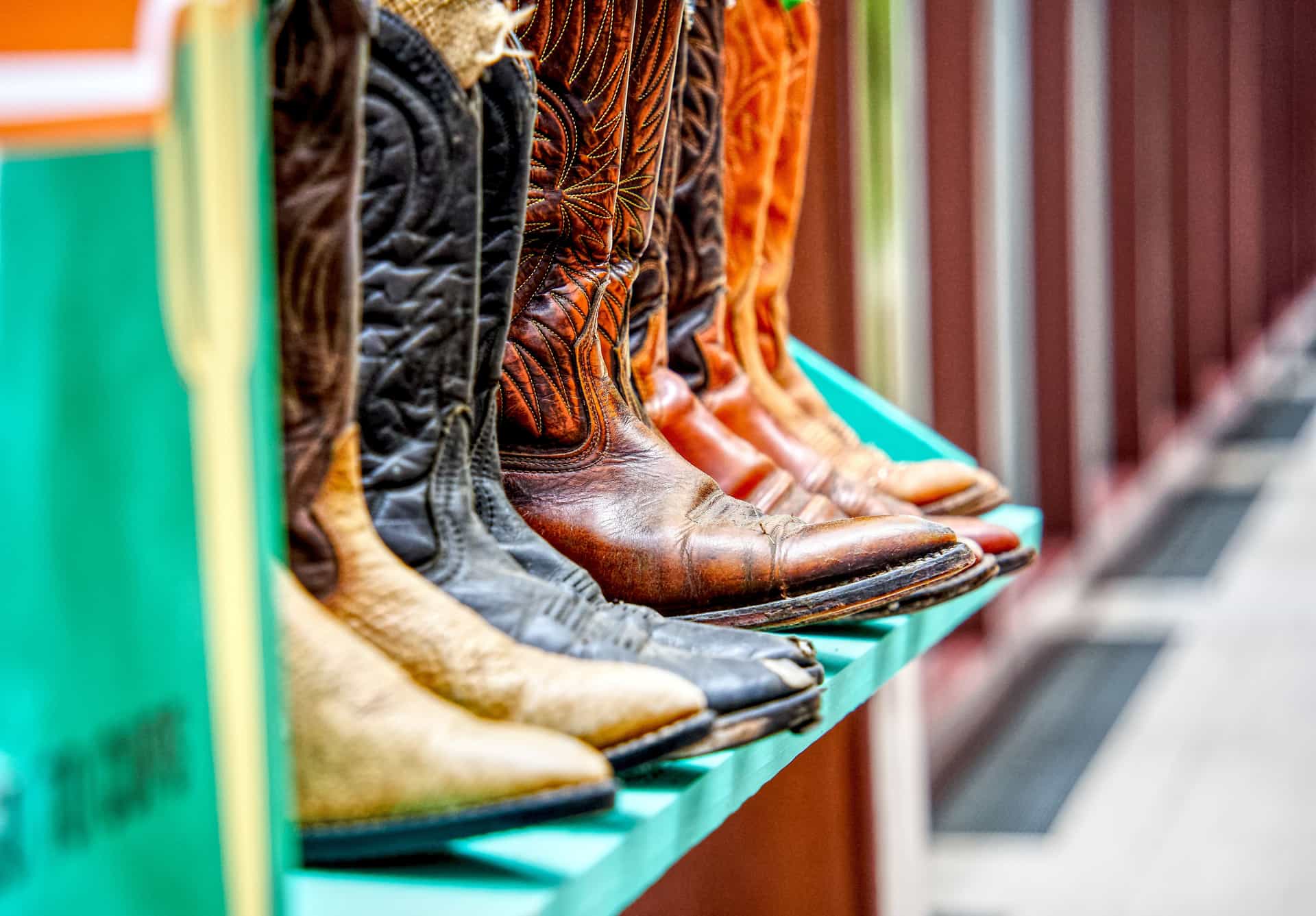
Disclosure: product links on this page go to Amazon. As an Amazon Associate we earn from qualifying purchases, at no extra cost to you. It does not change which boots we recommend or the order they appear in — here is the full disclosure.
Quick picks
| # | Product | Best for | Toe & rating | Price |
|---|---|---|---|---|
| 1 |  Wolverine Rancher Pull-On Steel-Toe Work Wellington A waterproof pull-on with a steel toe, EH and SR rating — no laces to tie, no laces to catch, and the current ASTM F2413-24 designation. | ASTM F2413-24 I/C EH SR | Steel safety toeASTM F2413-24 I/C EH SR | |
| 2 | Ariat WorkHog XT Waterproof Carbon Toe Work Boot Ariat builds the WorkHog XT around lateral stability and a wide midfoot platform — the pull-on answer for outdoor work on ground that never sits level. | Lateral stability on rough ground | Carbon safety toe, non-metallicASTM F2413 I/C EH SRO on the WorkHog XT Incognito carbon toe, per Ariat's published specification | |
| 3 | Ariat Groundbreaker H2O EH Steel Toe Wellington Work Boot Waterproof, EH-rated, steel-toe pull-on at the bottom of Ariat's range — the low-cost way into a lace-free waterproof boot. | Budget waterproof pull-on | Steel safety toeEH rated with steel safety toe | |
| 4 |  Carolina Spruce 8" Steel Toe Waterproof Logger A waterproof 8-inch logger with a triple-bar steel shank — the stiff underfoot platform that ladder rungs and pole work actually need. | When you need a lace-up instead | Steel safety toe capMeets or exceeds ASTM F2413-18 for compression and impact; electrical hazard protection tested to withstand 18,000 volts at 60Hz for one minute without leakage | |
| 5 |  Darn Tough Work Steely Boot Midweight Sock with Full Cushion Toe Box A merino-blend work sock with extra padding specifically at the toe box — aimed at the one place a steel cap presses. | The sock that fixes heel slip | Not applicable — sockNot applicable |
Tap a row to jump to that boot's full write-up. The price column goes straight to Amazon.
Who a pull-on is genuinely for
Welders and hot work. Boots off in seconds when something hot goes down the shaft, and no laces to char. This is a safety argument rather than a convenience one.
Anyone around rotating machinery. A lace caught in a shaft is a known hazard, and a pull-on removes it entirely.
Deep mud and manure. Laces clog, freeze and rot. A smooth shaft hoses clean.
In-and-out work. Drivers, delivery crews, anyone removing boots at a customer's door repeatedly.
Everyone else should think carefully, because the fit cost is real and permanent.
The fit trap
A pull-on has to be wide enough at the instep for your foot to get through. That frequently leaves the heel looser than a laced boot would be — and there is nothing to tighten.
Heel slip causes blisters and drives your toes forward into the safety cap, so it is not cosmetic. Size for the instep first, then deal with the heel using a thicker sock or a heel-grip insole. If the slip is significant, the boot is wrong for your foot and no accessory rescues it.
Ariat's Groundbreaker is listed in a wide (EE) version, which is the more useful fix — take the width rather than a longer boot. The whole trade-off is in pull-on vs lace-up.
Read the designation, not the category
Pull-ons vary enormously in what they are certified for. Wolverine publishes ASTM F2413-24 I/C EH SR on the Rancher wellington — impact, compression, electrical hazard and slip resistance in one line, against the current edition of the standard. Ariat publishes ASTM F2413 I/C EH SRO on the WorkHog XT Incognito carbon toe.
Others state far less. Because a pull-on is often bought for a specific hazard — hot work, machinery — it is worth checking that the boot is certified for the other hazards on your site too.
The shaft is a funnel
Stability, and why Ariat is different
Most pull-ons are built around a traditional western last. Ariat builds the WorkHog XT around lateral stability instead, with an ATS Max platform and an extra-wide midfoot, which is a genuinely different proposition for anyone working on rough uneven ground.
The cost is bulk. A wide stable platform that helps on rubble is a hindrance in a crawl space, so this is a boot to buy for outdoor work rather than confined-space work.
What to look for
- The full ASTM designation line, covering every hazard on your site.
- A width option — it is the only fit adjustment you get.
- Pull straps or a proper kick-off notch, because getting them off matters as much as getting them on.
- A smooth shaft with no fabric collar to hold hot material.
- Waterproofing, since pull-ons are usually bought for wet or dirty work.
- Gaiters or spats alongside, if anything falls from above.
The picks in full
Illustrative category photo — not this model#1 — ASTM F2413-24 I/C EH SR
Wolverine Rancher Pull-On Steel-Toe Work Wellington
A waterproof pull-on with a steel toe, EH and SR rating — no laces to tie, no laces to catch, and the current ASTM F2413-24 designation.
Published specifications
- Toe
- Steel safety toe
- Safety rating
- ASTM F2413-24 I/C EH SR
- Upper
- Premium waterproof full-grain leather
- Outsole
- Slip-resistant work outsole
- Midsole / shank
- Not published on the manufacturer page
- Construction
- Not published as a welt construction
- Waterproof
- Waterproof full-grain leather upper
- Insulation
- Not insulated
Specifications read from Wolverine product page (Rancher pull-on steel toe wellington) on 2026-09-27. We have not worn this boot.
What works
- Carries the SR slip-resistance designation as well as EH
- On and off in seconds, which matters if you are in and out of a cab
- No laces to catch in machinery or on rungs
What doesn't
- No lacing means no way to fine-tune fit or lock the heel
- Pull-on shafts let debris in at the top
- Harder to get a precise fit than a lace-up
Who this is wrong for
Anyone with a narrow heel or a hard-to-fit foot. Without laces, you cannot correct heel slip, and heel slip is what causes blisters.
Sizing
Pull-ons must be sized for the widest part of your foot to get past the instep, which often means a slightly loose heel. Size for the instep, then fix the heel with a thicker sock or a heel-grip insole.
Illustrative category photo — not this model#2 — Lateral stability on rough ground
Ariat WorkHog XT Waterproof Carbon Toe Work Boot
Ariat builds the WorkHog XT around lateral stability and a wide midfoot platform — the pull-on answer for outdoor work on ground that never sits level.
Published specifications
- Toe
- Carbon safety toe, non-metallic
- Safety rating
- ASTM F2413 I/C EH SRO on the WorkHog XT Incognito carbon toe, per Ariat's published specification
- Upper
- Leather upper with DRYShield waterproof breathable construction
- Outsole
- Ariat work outsole, slip-resistant (SRO on the rated models)
- Midsole / shank
- ATS Max platform with an extra-wide midfoot and a dual-density EVA midsole
- Construction
- Not published as a welt construction
- Waterproof
- Waterproof — DRYShield
- Insulation
- Not insulated
Specifications read from Ariat product page (WorkHog XT waterproof carbon toe) on 2026-09-27. We have not worn this boot.
What works
- Lateral stability is the design brief, and it shows on uneven ground
- Carries an SRO slip designation as well as EH on the rated models
- Pull-on entry with a lacing-free instep
What doesn't
- Ariat publishes the full designation on some WorkHog XT models and not others — check the exact variant
- Wide midfoot platform feels clumsy indoors
- Not resoleable
Who this is wrong for
Tight indoor work in confined spaces. The wide platform that helps on rubble is a hindrance in a crawl space.
Sizing
Ariat runs a touch long for many owners; a half size down is a common report. Because it is a pull-on, size for the instep first.
Illustrative category photo — not this model#3 — Budget waterproof pull-on
Ariat Groundbreaker H2O EH Steel Toe Wellington Work Boot
Waterproof, EH-rated, steel-toe pull-on at the bottom of Ariat's range — the low-cost way into a lace-free waterproof boot.
Published specifications
- Toe
- Steel safety toe
- Safety rating
- EH rated with steel safety toe
- Upper
- Leather upper with waterproof PRO construction
- Outsole
- Ariat work outsole
- Midsole / shank
- 4LR footbed technology for cushioning and support
- Construction
- Not published as a welt construction
- Waterproof
- Waterproof — Ariat PRO construction
- Insulation
- Not insulated
- Widths
- A wide (EE) version is listed
Specifications read from Authorized retailer spec page (Academy) — Ariat Groundbreaker Wide H2O EH steel toe wellington on 2026-09-27. We have not worn this boot.
What works
- Cheapest waterproof EH pull-on here
- Wide version genuinely stocked
- No laces to deal with in mud
What doesn't
- Entry-tier materials — expect a shorter life than the WorkHog XT
- Steel toe conducts cold
- Retailer page publishes less detail than Ariat's own pages
Who this is wrong for
Anyone in real cold. A steel cap with no insulation is the worst toe-temperature combination available.
Sizing
Groundbreaker pull-ons need room at the instep to get on. If your foot is high-volume, take the EE before you take a longer size.
Illustrative category photo — not this model#4 — When you need a lace-up instead
Carolina Spruce 8" Steel Toe Waterproof Logger
A waterproof 8-inch logger with a triple-bar steel shank — the stiff underfoot platform that ladder rungs and pole work actually need.
Published specifications
- Toe
- Steel safety toe cap
- Safety rating
- Meets or exceeds ASTM F2413-18 for compression and impact; electrical hazard protection tested to withstand 18,000 volts at 60Hz for one minute without leakage
- Upper
- Leather upper with the SCUBALINER waterproof lining
- Outsole
- Oil- and slip-resisting rubber logger outsole
- Midsole / shank
- Triple-bar steel shank with a Pillow Cushion footbed
- Construction
- Not published as a welt construction on this page
- Waterproof
- Waterproof — SCUBALINER
- Insulation
- Not insulated in this model; Carolina lists an insulated version
- Widths
- Carolina lists logger widths up to 4E on some models
Specifications read from Carolina Shoe product page (Spruce 8" steel toe waterproof logger) on 2026-09-27. We have not worn this boot.
What works
- States the EH test conditions, which most brands summarize away
- The triple-bar shank is the real reason to buy a logger
- Waterproof at a working price
What doesn't
- A rigid shank is punishing on flat concrete
- Heavy
- Steel shank and steel toe: fully metallic underfoot
Who this is wrong for
Warehouse and flat-floor work. A logger's stiffness is a feature on a rung and a liability on level ground.
Sizing
Loggers fit tighter through the arch because the shank does not flex. Fit it laced fully and stand on a step edge before you commit.
Illustrative category photo — not this model#5 — The sock that fixes heel slip
Darn Tough Work Steely Boot Midweight Sock with Full Cushion Toe Box
A merino-blend work sock with extra padding specifically at the toe box — aimed at the one place a steel cap presses.
Published specifications
- Toe
- Not applicable — sock
- Safety rating
- Not applicable
- Upper
- Not applicable
- Outsole
- Not applicable
- Midsole / shank
- Not applicable
- Construction
- Midweight merino wool blend knit, full cushion toe box
- Waterproof
- Not applicable — merino wicks rather than blocks
- Insulation
- Midweight — moisture-wicking and thermoregulating merino blend
- Made in
- Knit in mills in Vermont, USA
Specifications read from Retail product listing — Darn Tough Work Steely midweight boot sock on 2026-09-27. We have not worn this boot.
What works
- The padding is placed where a steel cap actually causes pain
- Merino manages sweat, which is what causes most work-boot blisters
- Midweight works across more of the year than a heavyweight sock
What doesn't
- Costs several times a cotton work sock
- Extra toe padding takes up room in an already-snug boot
- Merino needs washing care to last
Who this is wrong for
A boot that is already tight at the toes. Fix the boot's fit first — a thicker sock inside a short boot makes the problem worse.
Sizing
Buy socks before you fit boots, then fit the boots wearing them. Changing sock thickness afterwards changes the fit by roughly a half size in feel.
Frequently asked questions
Are pull-on work boots comfortable?
They are if they fit, and fit is entirely determined at purchase because there is nothing to adjust. Size for the instep, since that is what your foot has to get past, and accept that the heel may be slightly looser than in a laced boot. Significant heel slip means the boot is wrong for your foot.
How do you keep pull-on boots from slipping at the heel?
A thicker sock, a heel-grip insole, or a narrower width if the maker offers one. None of them matches what a lace does, so if the slip is significant the honest answer is a different boot — heel lift causes blisters and pushes your toes into the safety cap.
Do pull-on boots have safety toes?
Many do. Wolverine's Rancher wellington carries ASTM F2413-24 I/C EH SR and Ariat's Groundbreaker H2O wellington is EH-rated with a steel toe. Because pull-ons are often bought for one specific hazard, check the full designation line rather than assuming the rest is covered.
Are pull-on boots good for construction?
For some of it. They suit machinery work, wet and muddy ground, and anywhere boots need to come off fast. They suit dusty work and overhead work poorly, because the open shaft funnels debris in, and they suit hard-to-fit feet poorly because there is no lacing to correct with.
Sources
- ASTM F2413 protective footwear standard — technical summary — Label format, the mandatory I and C designations, and each optional code
- Reebok Work Sublite Cushion — ASTM F3445 slip-resistance rating — Slip resistance stated against a named ASTM test method
Read next
Pull-On vs Lace-Up
The trade-off in full, before you commit to one.
Best Work Boots for Welders
The trade where pull-ons are a safety decision.
Best Work Boots for Linemen
Where a pull-on works for ground days and not for climbing.
Work Boot Sizing Guide
A pull-on cannot be adjusted, so size it right first time.