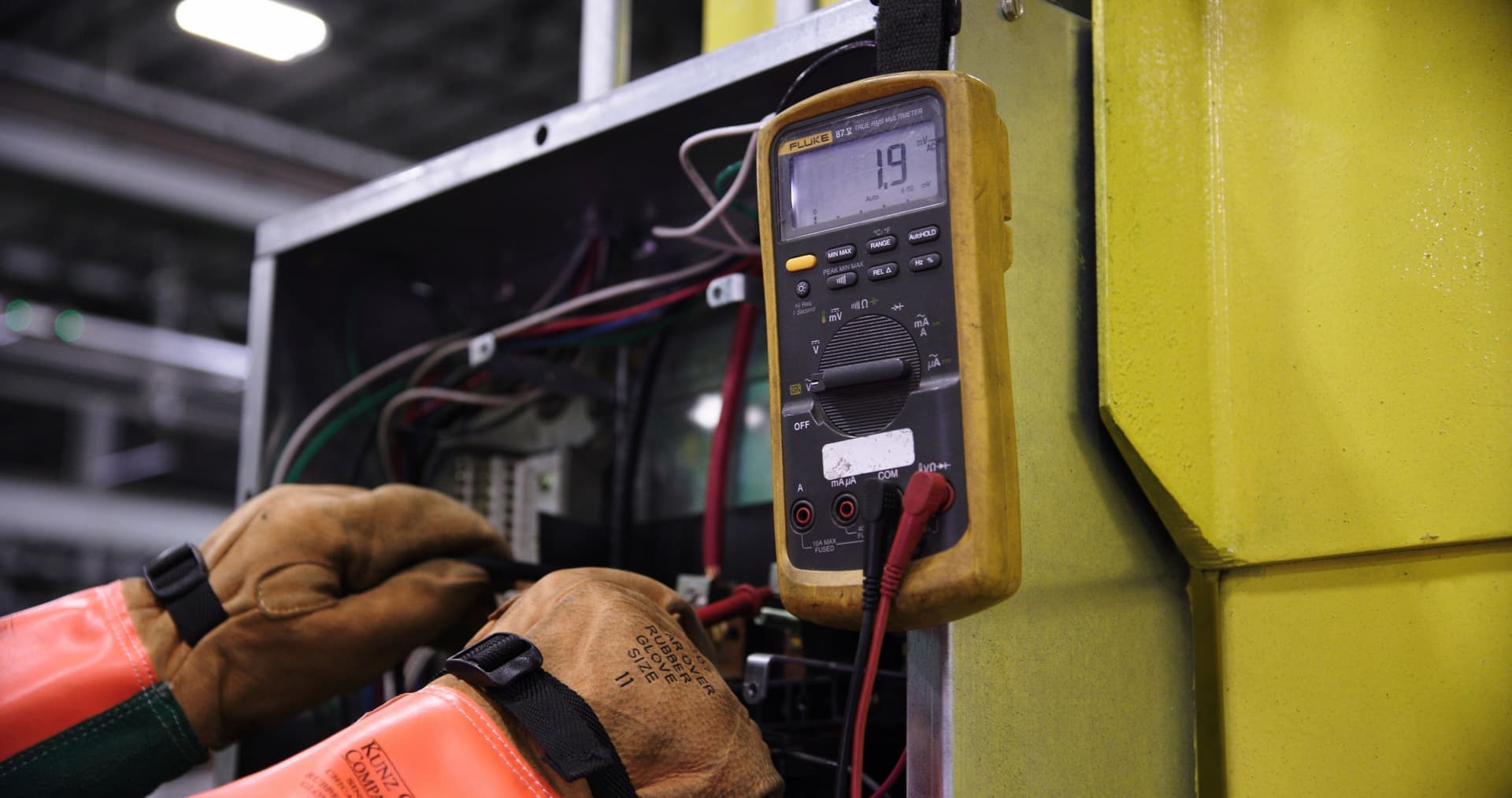
Best for Electricians
Best Work Boots for Electricians
EH protection, a non-metallic cap and a heel that bites on a rung — the three things an electrician's boot actually has to do.
Top pick: KEEN Utility Detroit XT Carbon-Fiber Toe Work Boot
Hub
Start with what the job demands, not with a brand name.
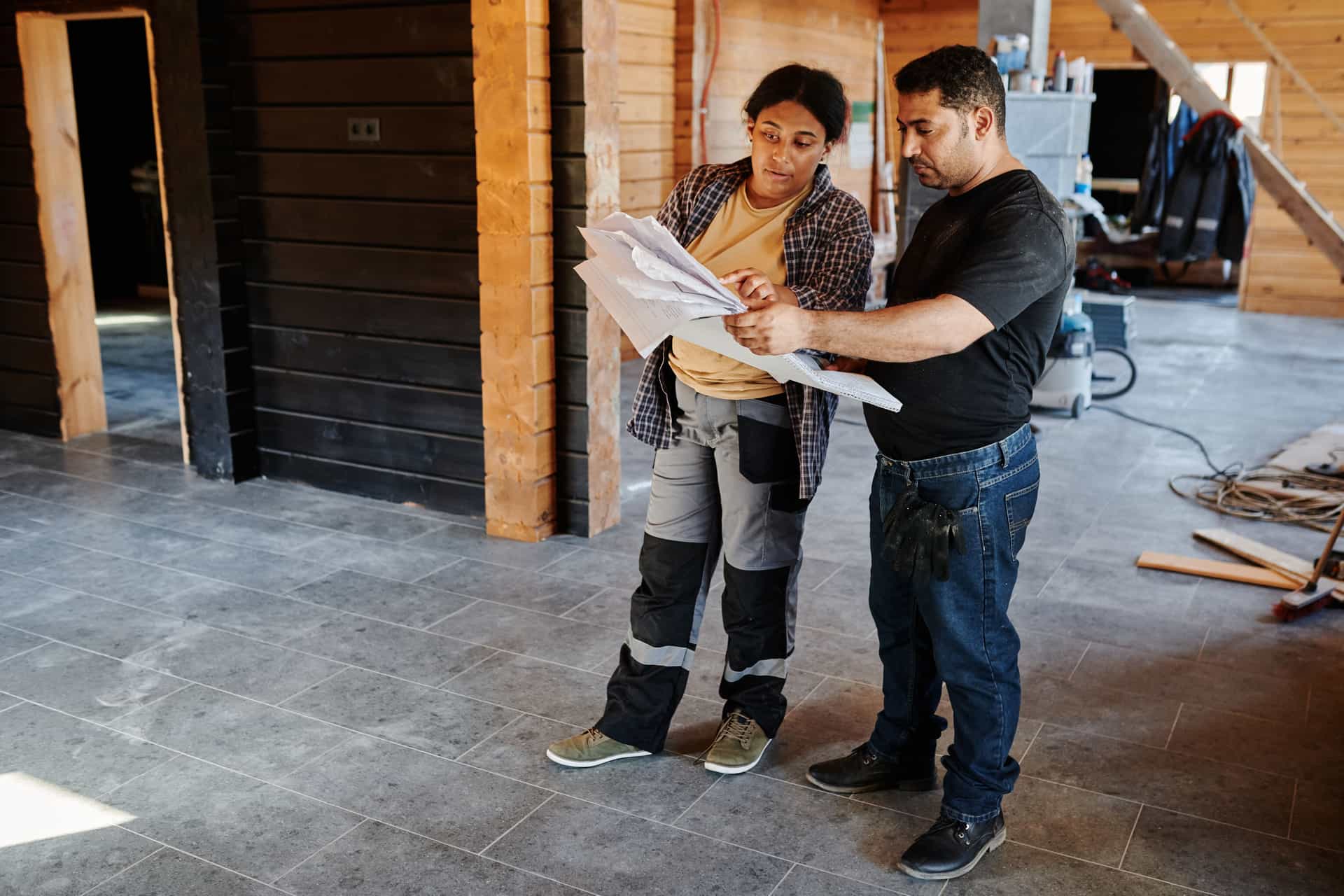
Most “best work boots” lists are the same twelve boots reshuffled, which is why they are useless the moment your job has a specific requirement. An electrician and a roofer are not shopping for different colors of the same boot — one needs an outsole that insulates and a cap that does not conduct, the other needs a heel that bites on a pitch and an outsole that does not skate on granules.
Every page in this hub opens the same way: what the trade actually demands, cited to the standard where a standard exists, before any product is named. That ordering matters. If your site specifies an external metatarsal guard or a fully non-metallic boot, the requirement eliminates most of the market before preference gets a vote.
We have not worn any of these boots on any of these jobs. What we have done is read the published specification for each one, check what the safety standard for that trade requires, and look at where owner reviews agree and where they split. Where the evidence does not settle a question — and it often does not — the page says so.
Disclosure: product links on this page go to Amazon. As an Amazon Associate we earn from qualifying purchases, at no extra cost to you. It does not change which boots we recommend or the order they appear in — here is the full disclosure.
Best for Electricians
EH protection, a non-metallic cap and a heel that bites on a rung — the three things an electrician's boot actually has to do.
Top pick: KEEN Utility Detroit XT Carbon-Fiber Toe Work Boot
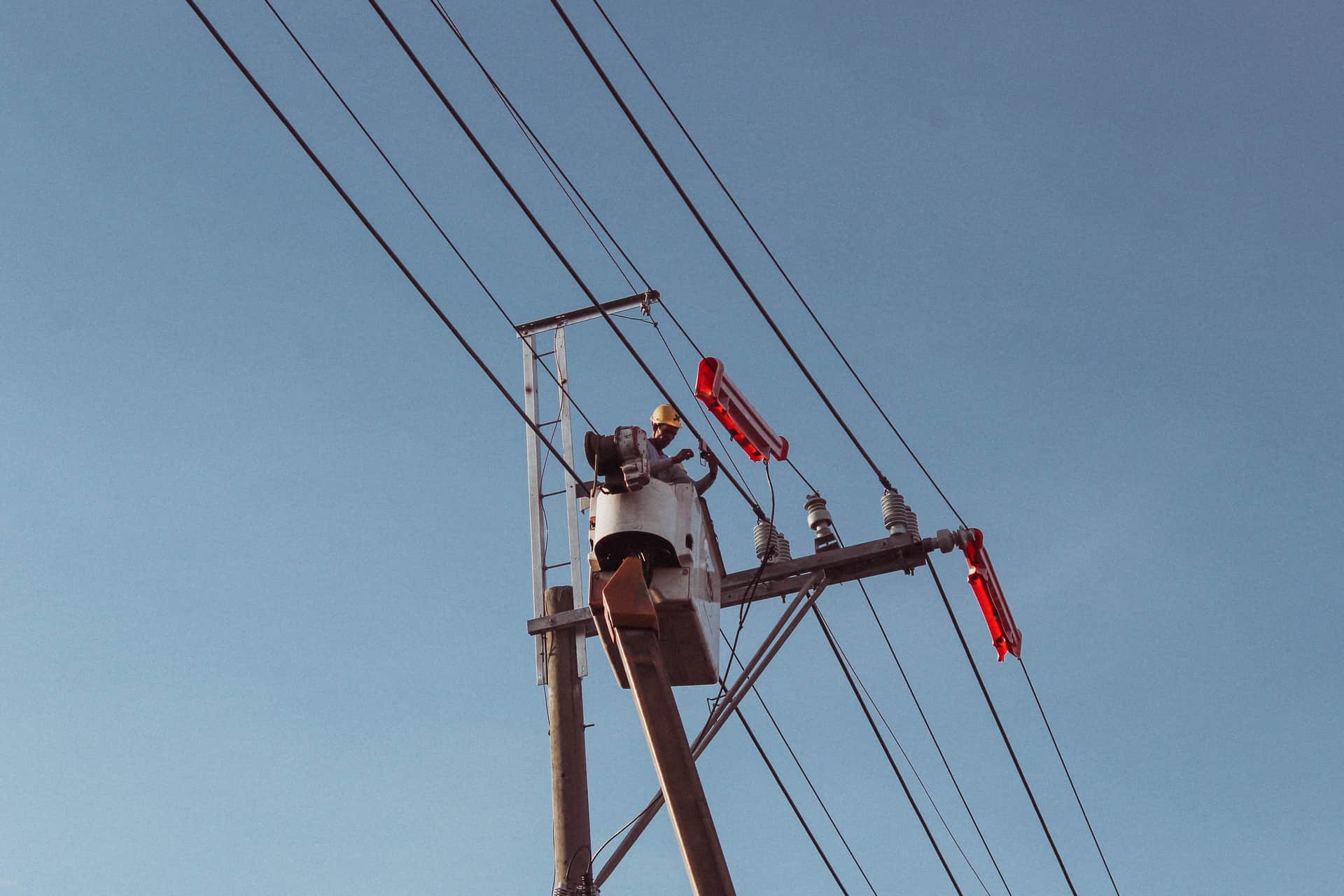
Best for Linemen
Stiff shank, tall shaft, 90-degree heel, EH rating. The four things that make a climbing boot, and why comfort features work against them.
Top pick: Nicks Boots Lineman Boot
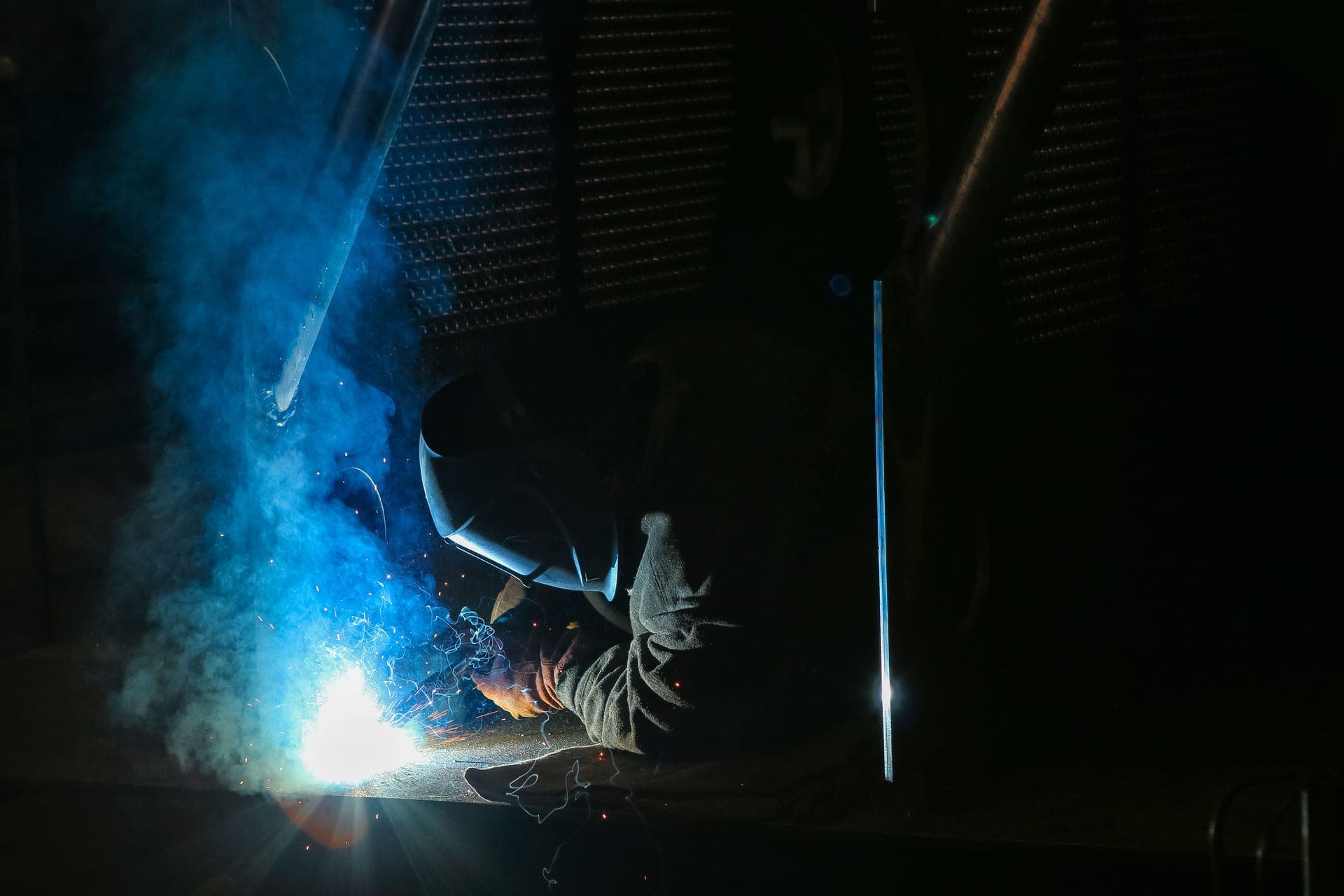
Best for Welders
Met guards for instep impact, a heat-rated outsole, and a boot you can get off fast when something hot goes down the shaft.
Top pick: Rocky IronClad Waterproof Steel Toe MET Guard Work Boot (RKK0362)
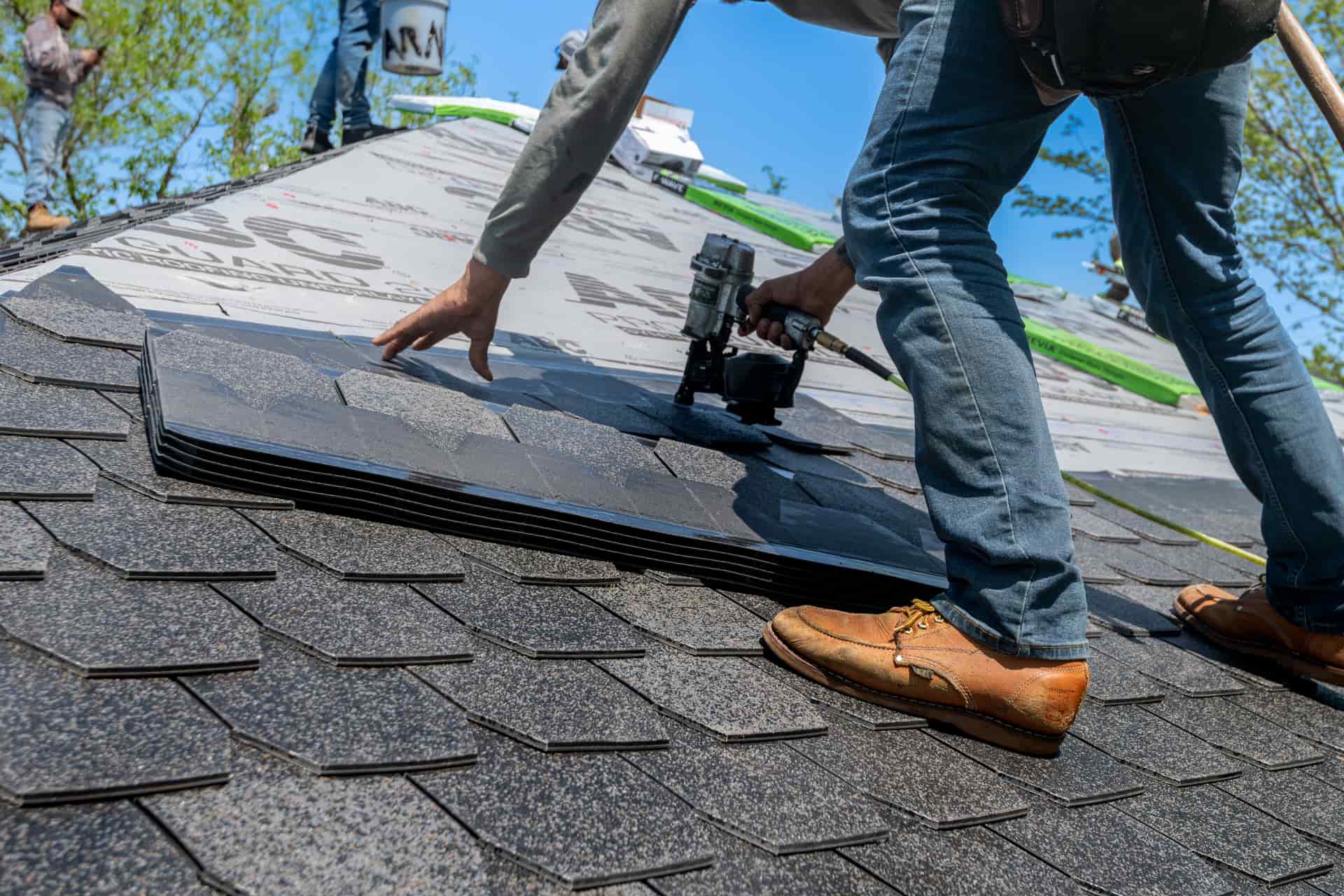
Best for Roofing
Granules behave like ball bearings. Outsole compound, heel geometry and sole flex are the whole decision for a roofing boot.
Top pick: Carhartt Ground Force Waterproof 6" Composite Toe Work Boot
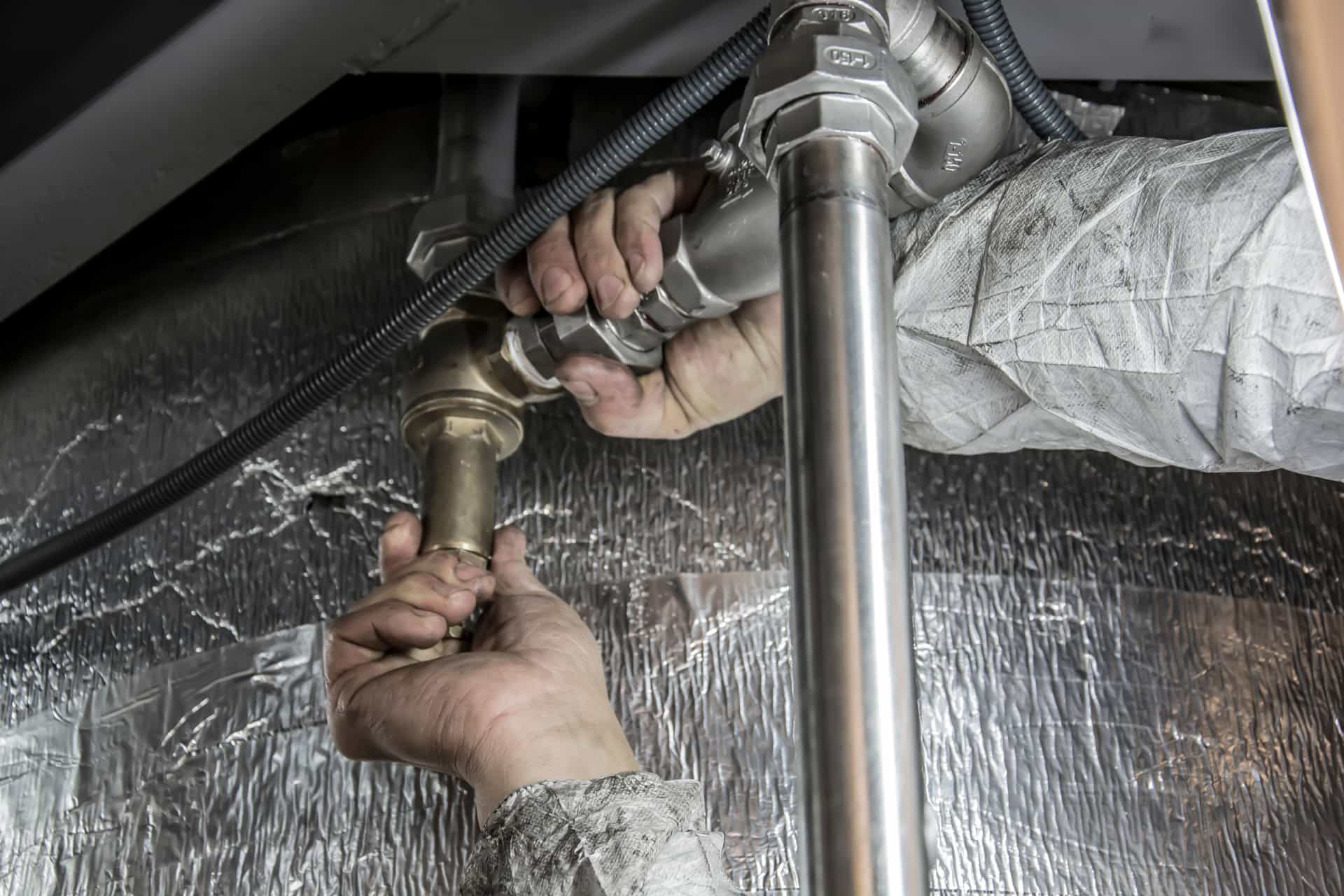
Best for Plumbers
Genuine waterproofing, a sole that flexes for kneeling, and a non-marking outsole for finished floors.
Top pick: Wolverine Overpass CarbonMAX 6" Composite Toe Waterproof Boot
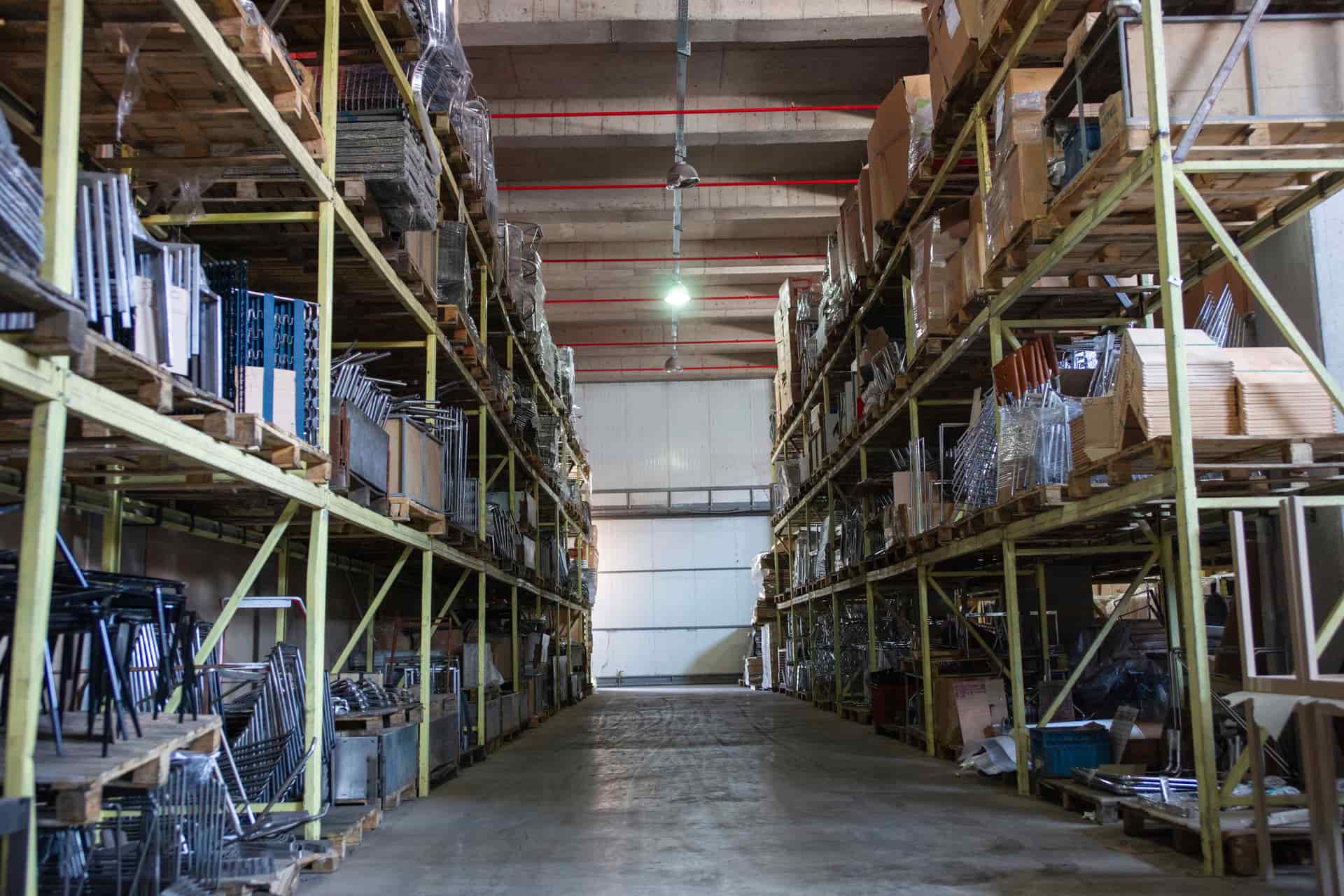
Best for Warehouse
Distance on a flat hard floor changes the whole specification: low weight, a midsole that rebounds, and traction for smooth concrete.
Top pick: KEEN Utility Vista Energy Shift Carbon-Fiber Toe Work Sneaker

Best for Framing
Why framers wear wedges, when a wedge is the wrong call, and how to add puncture protection to a boot that lacks it.
Top pick: Thorogood American Heritage 6" Moc Toe Safety Toe MAXWear Wedge (804-4200)
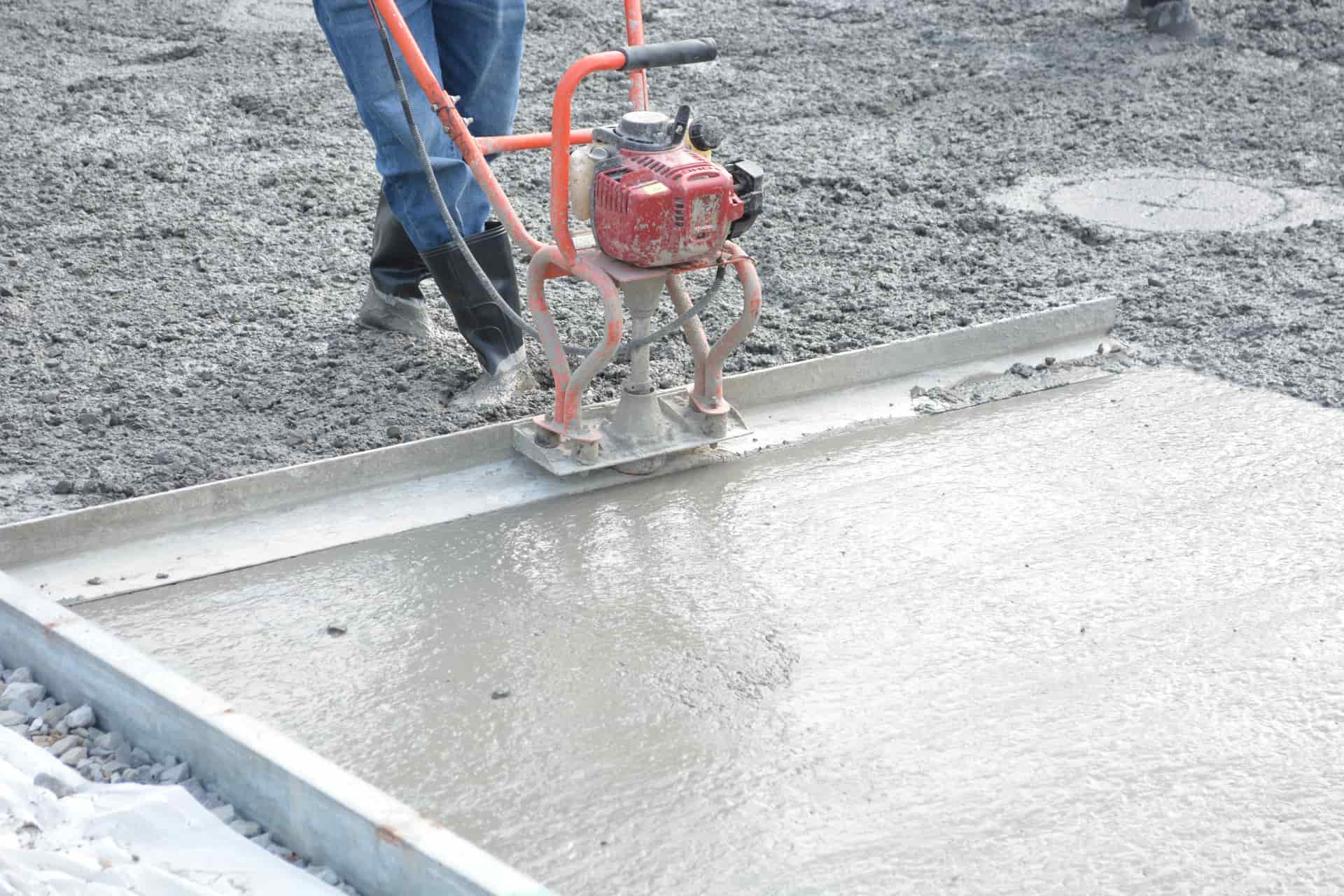
Best for Concrete
Wet concrete is alkaline and eats ordinary leather. Which uppers are specified against it, plus the sole that handles a slab.
Top pick: Georgia Boot AMP LT Wedge Composite Toe Waterproof Work Boot (GB00592)

Best for Mechanics
Oily-wet traction is a named ASTM test, and dropped components land on the instep. Two hazards, two features most boots skip.
Top pick: Carhartt Ground Force Waterproof 6" Composite Toe Work Boot

Best for Drivers
Repeated step-downs, every surface there is, and pedals in between. Low weight and a sole thin enough to feel through beat toughness here.
Top pick: KEEN Utility Vista Energy Shift Carbon-Fiber Toe Work Sneaker
1. Find the mandatory feature first. Under OSHA 29 CFR 1910.136 your employer assesses the hazard and specifies the footwear. EH for electrical work, Mt where something can land on your instep, PR where nails are underfoot, non-metallic where a detector stands between you and the gate. That list is not negotiable and it is short — everything after it is genuinely your choice.
2. Match the outsole to the surface, not the weather. This is the decision most people get backwards. A flat wedge spreads load beautifully on a concrete floor and skates on mud. A deep lug bites on broken ground and tracks grit across a finished floor. A 90-degree heel breast is what holds you on a ladder rung, and is uncomfortable on a level slab. Pick for what is under your feet most of the day.
3. Decide how much boot your ankles need. Six inches is the default. Eight inches keeps debris and water out and locks the ankle on uneven ground, at the cost of heat and slow on-and-off. Ten to sixteen inches is climbing territory and absurd for anything else.
4. Then weigh weight. If you cover distance — warehouse, delivery, plant floor — every ounce is paid for thousands of times a shift. If you stand in one hazardous place, weight matters far less than protection and you should buy the heavier boot without guilt.
5. Get the fit right, because it outranks all of this. A perfectly specified boot in the wrong width will hurt you more than a mediocre boot that fits. Start with the sizing guide.
The ones that meet your trade's mandatory requirement, have an outsole matched to the surface you actually stand on, and fit your foot in width as well as length. That order matters — a boot that fails any one of the three is the wrong boot no matter how good the other two are.
It depends on the footwear and the jurisdiction. OSHA's PPE payment rule generally requires employers to pay for required PPE, but there is a long-standing exemption for non-specialty safety-toe footwear that the employee is allowed to wear off the job site. Specialty footwear — met guards, non-metallic boots required for a specific hazard — is treated differently. Check with your employer and your state's rules rather than assuming either way.
On condition, not on a calendar. Replace when the outsole tread is worn down (which also means the EH rating has degraded), when the midsole no longer rebounds and your feet hurt by mid-shift, when the upper has a tear that lets water in, or immediately after the toe cap has taken a serious impact. A welted boot can be resoled instead of replaced, which changes the arithmetic considerably.