Weatherproof
Boot Insulation Ratings Explained
What the number measures, and why it is not a temperature.
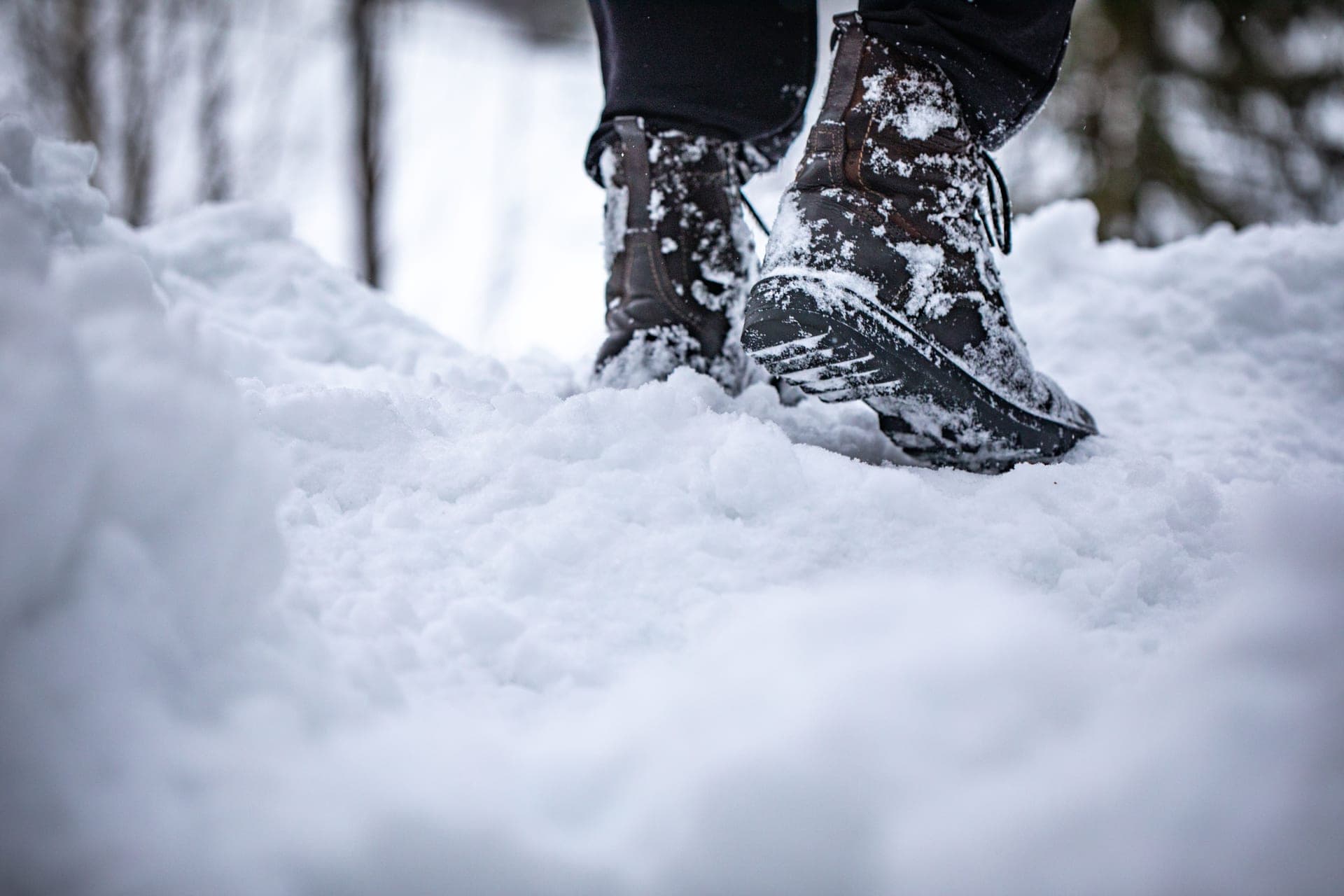
What the number measures
Grams per square meter of insulating material. A 400g boot uses insulation weighing 400 grams per square meter; it does not contain 400 grams of insulation, and it is not rated to any particular temperature.
3M's Thinsulate is the material named most often. Its selling point is thermal performance for its thickness — it traps body heat while allowing moisture to escape, which matters because bulk in a boot costs you fit and fit costs you warmth.
Why temperature ratings disappeared
You used to see “comfort rated to -20°F” on boot boxes. Some brands have moved away from publishing temperature ratings entirely, because the ratings rest on assumptions the manufacturer cannot know: how hard you are working, how good your circulation is, whether your feet are dry, what socks you have on, and whether the boot fits loosely enough for the insulation to work.
That is a more honest position than a confident number, and it is the reason guidance here is framed around activity level rather than degrees.
The tiers, and what each is for
| Grams | Suited to | Notes |
|---|---|---|
| 0g | Indoor work, mild weather, moving between heated and unheated spaces | Insulation you cannot remove is a liability in a heated building |
| 200g | Light protection for mild cold | A cool morning rather than a cold day |
| 400g | Active outdoor work in real cold | The tier most active winter workers actually want |
| 600g | A cold shift where you are moving but not exerting | Overheats if you are working hard |
| 800-1000g+ | Standing still in severe cold, low activity | Irish Setter's Elk Tracker reaches 1000g. Too warm for almost any active work |
The four variables that beat the number
1. Dryness. Wet insulation barely insulates. This is why waterproofing matters more than grams in cold wet conditions, and why moisture-managing socks are not a luxury.
2. Fit. Insulation works by trapping air. A tight boot, or a sock too thick for the space, compresses it and it stops working. A tight insulated boot is a cold boot, and doubling up socks usually makes things worse rather than better.
3. The toe cap. A steel or alloy cap conducts heat away from the toes and no sock compensates, because the sock is inside the cap. A cold-weather boot should have a composite or carbon cap.
4. Activity. A person working hard generates substantially more heat than one standing at a gate. The same boot is correct for one and wrong for the other.
The case for uninsulated plus layers
If your day moves between a cold yard and a heated building, or between October and April, insulation you cannot take out is a problem for half of it. An uninsulated waterproof boot with good socks handles a surprising range, and it is comfortable in the parts of the year an insulated boot is not.
Insulated boots earn their place when the cold is sustained and you cannot get out of it. For everything else, a boot that fits properly with a merino sock is the more flexible answer.
No product recommendations on this page, deliberately: A reference explainer. The insulated boots live on the roundup this page links to, where they can be compared properly.
Frequently asked questions
What does 600g insulation mean in boots?
It means the boot uses insulation weighing 600 grams per square meter of material. It is a measure of how much insulation is present, not a temperature rating — 600g suits a cold shift where you are moving but not exerting, and will overheat someone working hard.
Is 400g or 600g insulation warmer?
600g has more insulation, but warmer for you depends on how hard you work. A physically active worker in 600g boots often ends up colder than in 400g, because the extra insulation traps sweat and damp feet lose heat much faster than dry ones.
Why do boots not have temperature ratings any more?
Because the ratings depended on assumptions the manufacturer cannot know — your activity level, your circulation, whether your feet are dry, your socks, and how well the boot fits. Several brands dropped them rather than publish a confident number that does not survive contact with real conditions.
Do two pairs of socks make insulated boots warmer?
Usually the opposite. Two pairs compress the insulation, reducing the trapped air that does the insulating, and can restrict circulation. One pair of merino-blend socks that manages moisture does more for warmth than doubling up.
Sources
- 3M Thinsulate insulation — What the gram figure on an insulated boot actually measures
- KEEN Utility — aluminum toe collection and ASTM compliance — KEEN's published ASTM F2413-18 M/I/75/C/75 EH designation and the 35%-lighter aluminum claim