Trades
Best Work Boots for Warehouse Workers
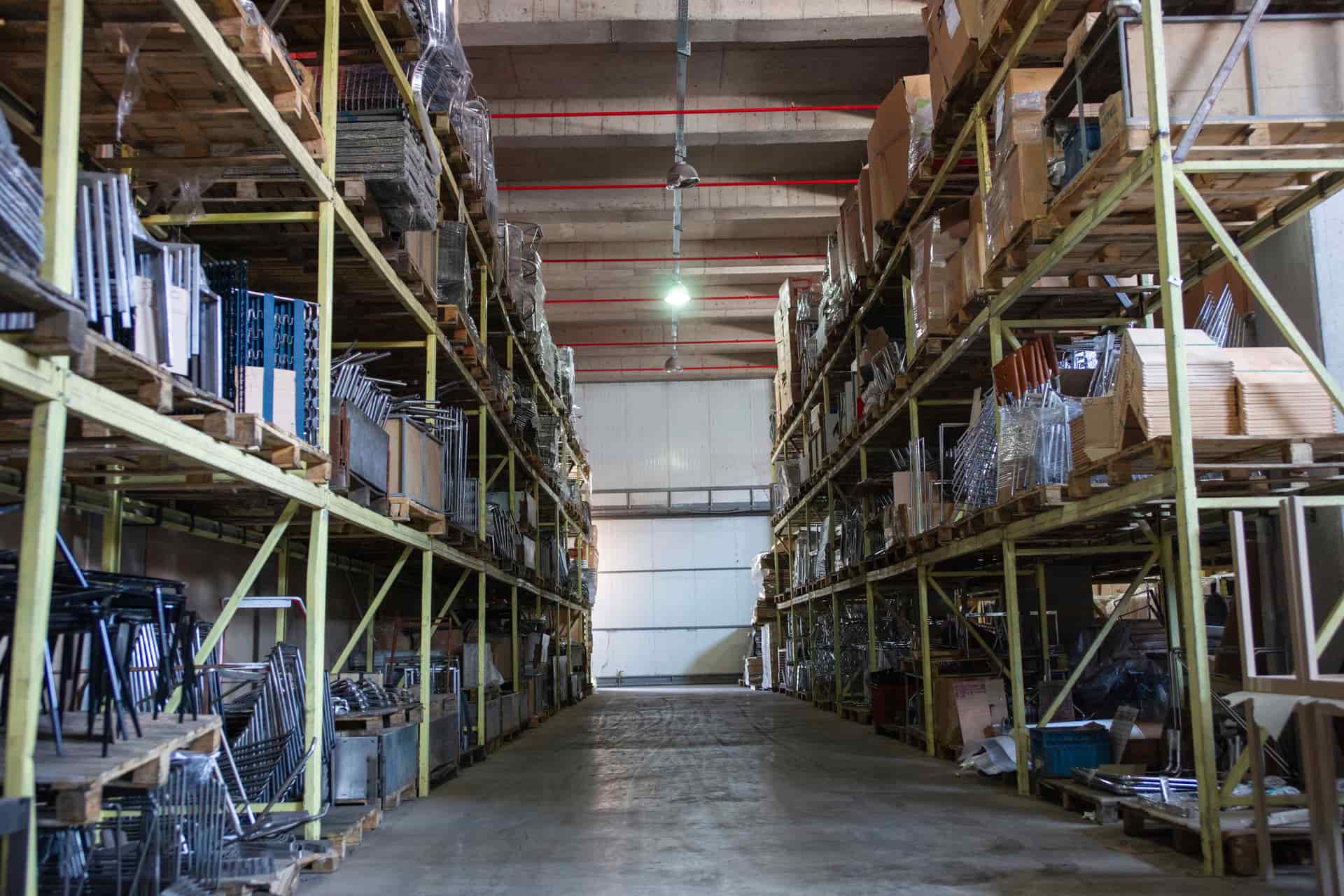
You are not fighting terrain. You are fighting distance on concrete.
Disclosure: product links on this page go to Amazon. As an Amazon Associate we earn from qualifying purchases, at no extra cost to you. It does not change which boots we recommend or the order they appear in — here is the full disclosure.
Quick picks
| # | Product | Best for | Toe & rating | Price |
|---|---|---|---|---|
| 1 |  KEEN Utility Vista Energy Shift Carbon-Fiber Toe Work Sneaker A safety-toe work sneaker with a midsole KEEN rates at up to 50% energy return — for warehouse and plant floors where you cover distance rather than terrain. | Lightest safety toe here | Carbon-fiber safety toe, non-metallicKEEN Utility safety toe tested to ASTM F2413-18 M/I/75/C/75; the ESD version adds an electrostatic dissipative outsole | |
| 2 | Reebok Work Sublite Cushion Composite Toe Athletic Work Shoe An ASTM F3445 slip-rated composite-toe work shoe with no exposed metal on the upper — built for wet smooth floors, not for terrain. | Slip rating for smooth floors | Composite safety toe, non-metallicASTM F3445 slip-resistant rated; composite toe; static dissipative and puncture-resistant versions listed separately | |
| 3 |  KEEN Utility San Jose 6" Aluminum Toe Wedge Work Boot A wedge-sole boot with an asymmetrical aluminum toe that KEEN states weighs 35% less than steel — the lightweight answer for flat-floor trades. | Wedge sole, lightest metal cap | Asymmetrical aluminum safety toeASTM F2413-18 M/I/75/C/75 with EH (KEEN Utility safety-toe standard); KEEN states aluminum toes weigh 35% less than steel | |
| 4 |  Carhartt Ground Force Waterproof 6" Composite Toe Work Boot A waterproof composite toe with a heat-rated outsole and an APMA-accepted footbed — the pick when arch support is the deciding factor. | Arch support for long shifts | Composite safety toe — lightweight, non-metallic, non-conductiveComposite safety toe meeting ASTM F2413-24 EH; outsole meets ASTM F3445-24 SR | |
| 5 | Thorogood American Heritage 6" Moc Toe Safety Toe MAXWear Wedge (804-4200) A Goodyear-welted, USA-built wedge with a steel toe and an EH rating — the default answer for anyone who stands on a flat hard floor and wants a boot that can be resoled. | The resoleable wedge | Steel safety toe, moc toe shapeASTM F2413-18, EH | |
| 6 |  Superfeet Work Cushion Insoles A work-specific insole with a tapered forefoot designed to fit under a safety toe — the detail most aftermarket insoles get wrong. | Rescuing a boot you already own | Not applicable — insoleNot applicable to the Work Cushion; Superfeet's Work PR model is tested to ASTM F2413 and EN ISO 22568-4:2021 Type PS |
Tap a row to jump to that boot's full write-up. The price column goes straight to Amazon.
What standing and walking on concrete does
NIOSH's review of the evidence on prolonged standing at work reports consistent increases in low back pain, physical fatigue, muscle pain, leg swelling and general discomfort, with clear detrimental effects from around three hours of standing onward, and an association with roughly double the risk of sick leave. Concrete makes it worse because it has no give at all — every step returns the full impact.
That is the actual occupational hazard in a warehouse, and it is not something a toe cap addresses. The boot's job here is to put material between your heel and the slab, and to weigh as little as possible while doing it.
Weight, and where it counts
A warehouse picker can cover ten miles in a shift. Weight at the far end of the leg is paid for with every one of those steps, and the safety cap is the worst place to carry it. KEEN publishes 35% lighter than steel for its aluminum toes and roughly 15% for carbon fiber; BRUNT publishes 15% for composite.
The bigger lever, though, is the rest of the boot. An 8-inch waterproof leather boot with a steel shank will always outweigh a 6-inch work shoe, whatever cap either one has. If weight is your priority, start with the lightweight roundup.
The midsole is the part that dies first
Cushioning is not a fixed property — it is a consumable. EVA midsoles compress with use and stop rebounding, and a boot that felt superb in month one can be flat by month eight while looking almost new. PU midsoles, which BRUNT and Wolverine both specify, hold up longer than EVA under the same load.
The cheapest intervention available to anyone reading this is replacing the footbed. Superfeet's Work Cushion insole is designed with a tapered forefoot specifically so it fits under a safety toe — the detail most aftermarket insoles get wrong. If your boots are structurally fine but your feet hurt by lunchtime, try that before you buy new boots.
Traction on sealed concrete
Warehouse floors are smooth, sealed and occasionally wet from a pallet jack or a spill. That is a different traction problem from mud — you want a soft compound with fine siping, not deep lugs. Reebok's Sublite Cushion publishes an ASTM F3445 slip rating, and KEEN specifies strategically placed siping on the Flint II outsole.
Deep aggressive lugs are actively counterproductive here: they reduce contact area on a smooth floor and pick up debris that then rolls under you.
What to look for
- Total boot weight first, cap material second.
- A PU midsole rather than EVA if you want it to last past a year.
- A removable footbed, so you can replace the cushioning when it packs out.
- An SR designation against ASTM F3445, not deep lugs.
- Six inches or a work shoe — there is no terrain to protect your ankles from.
- An ESD or SD version if you handle electronics.
The picks in full
Illustrative category photo — not this model#1 — Lightest safety toe here
KEEN Utility Vista Energy Shift Carbon-Fiber Toe Work Sneaker
A safety-toe work sneaker with a midsole KEEN rates at up to 50% energy return — for warehouse and plant floors where you cover distance rather than terrain.
Published specifications
- Toe
- Carbon-fiber safety toe, non-metallic
- Safety rating
- KEEN Utility safety toe tested to ASTM F2413-18 M/I/75/C/75; the ESD version adds an electrostatic dissipative outsole
- Upper
- Textile and synthetic upper
- Outsole
- Oil- and slip-resistant outsole; ESD outsole on the ESD version
- Midsole / shank
- KEEN.ReGEN midsole, returning up to 50% energy per step, per KEEN
- Construction
- Cemented athletic construction
- Waterproof
- Not waterproof
- Insulation
- Not insulated
Specifications read from KEEN Utility product page (Vista Energy Shift ESD) on 2026-09-27. We have not worn this boot.
What works
- By far the lightest safety-toe option on this list
- ESD version solves a real problem for electronics and plant work
- Athletic flex suits smooth floors and long walking distances
What doesn't
- No ankle support at all
- Textile upper is not a match for abrasion, sparks or sharp debris
- Not waterproof, not resoleable
Who this is wrong for
Anyone on uneven ground, around welding, or handling anything that drags across the upper. This is an indoor smooth-floor shoe.
Sizing
Sneaker sizing, so it feels shorter than a boot in the same number. Leave a thumbnail of room ahead of the longest toe.
Illustrative category photo — not this model#2 — Slip rating for smooth floors
Reebok Work Sublite Cushion Composite Toe Athletic Work Shoe
An ASTM F3445 slip-rated composite-toe work shoe with no exposed metal on the upper — built for wet smooth floors, not for terrain.
Published specifications
- Toe
- Composite safety toe, non-metallic
- Safety rating
- ASTM F3445 slip-resistant rated; composite toe; static dissipative and puncture-resistant versions listed separately
- Upper
- Exofuse water-resistant breathable microfiber with a nylon mesh lining
- Outsole
- Oil-, abrasion-, chemical- and slip-resistant outsole with full-foot flex grooves
- Midsole / shank
- Sublite EVA cushion midsole with rubber heel and forefoot pads
- Construction
- Cemented athletic construction
- Waterproof
- Water-resistant, not waterproof
- Insulation
- Not insulated
Specifications read from Authorized retailer spec page (Steel-Toe-Shoes.com) — Reebok Sublite Cushion RB4039 on 2026-09-27. We have not worn this boot.
What works
- Slip resistance stated against a named ASTM test rather than as a claim
- No exposed metal, which matters in food service and electronics
- Very light
What doesn't
- Water-resistant only
- No ankle support
- Microfiber upper is not built for abrasion
Who this is wrong for
Outdoor construction. This is a smooth-floor shoe; the outsole and upper are both wrong for rubble and grit.
Sizing
Athletic sizing with a wide toe box. Most owners take their normal running-shoe size; if you are between, the extra width usually removes the need to go up.
Illustrative category photo — not this model#3 — Wedge sole, lightest metal cap
KEEN Utility San Jose 6" Aluminum Toe Wedge Work Boot
A wedge-sole boot with an asymmetrical aluminum toe that KEEN states weighs 35% less than steel — the lightweight answer for flat-floor trades.
Published specifications
- Toe
- Asymmetrical aluminum safety toe
- Safety rating
- ASTM F2413-18 M/I/75/C/75 with EH (KEEN Utility safety-toe standard); KEEN states aluminum toes weigh 35% less than steel
- Upper
- Leather upper
- Outsole
- Oil- and slip-resistant wedge outsole
- Midsole / shank
- Air-infused KEEN Luftcell midsole
- Construction
- Not published as a welt construction
- Waterproof
- Both a non-waterproof and a waterproof San Jose are listed; check the specific variant
- Insulation
- Not insulated
Specifications read from KEEN Utility product page (San Jose 6" aluminum toe) on 2026-09-27. We have not worn this boot.
What works
- Lightest metal safety toe on this list, with a published figure
- Wedge sole suits concrete and finished floors
- Luftcell midsole is softer underfoot than a plain rubber wedge
What doesn't
- Aluminum is still metal — it conducts cold and trips detectors
- A wedge gives up traction on mud and gravel
- Not resoleable
Who this is wrong for
Cold outdoor work. A metal cap of any kind pulls heat out of the toes; take a composite or carbon toe into the cold.
Sizing
KEEN's roomy forefoot plus a wedge platform means the boot feels wide immediately. Do not read that as too big — check heel hold before you size down.
Illustrative category photo — not this model#4 — Arch support for long shifts
Carhartt Ground Force Waterproof 6" Composite Toe Work Boot
A waterproof composite toe with a heat-rated outsole and an APMA-accepted footbed — the pick when arch support is the deciding factor.
Published specifications
- Toe
- Composite safety toe — lightweight, non-metallic, non-conductive
- Safety rating
- Composite safety toe meeting ASTM F2413-24 EH; outsole meets ASTM F3445-24 SR
- Upper
- Leather upper with Storm Defender waterproof breathable protection and FastDry lining
- Outsole
- Oil- and slip-resistant non-marking rubber lug outsole with a defined heel and ladder-lock grooves; heat-resistant to 300°C / 572°F
- Midsole / shank
- Carhartt LWD midsole with a nylon shank
- Construction
- Not published as a welt construction
- Waterproof
- Waterproof — Storm Defender
- Insulation
- Not insulated in this model
Specifications read from Carhartt product page (Ground Force waterproof 6" composite toe) on 2026-09-27. We have not worn this boot.
What works
- Both an EH and an SR designation, each against a named ASTM standard
- APMA acceptance is third-party, not marketing
- Ladder-lock grooves are a specific feature for a specific job
What doesn't
- Not resoleable
- Lug outsole tracks debris onto finished floors
- No published weight
Who this is wrong for
Finished-floor work. A deep lug outsole carries grit into rooms you are being paid not to damage.
Sizing
Carhartt's Ground Force last is fairly generous. If you plan to use your own orthotic, pull the INSITE footbed out first — the two together will crowd the boot.
Illustrative category photo — not this model#5 — The resoleable wedge
Thorogood American Heritage 6" Moc Toe Safety Toe MAXWear Wedge (804-4200)
A Goodyear-welted, USA-built wedge with a steel toe and an EH rating — the default answer for anyone who stands on a flat hard floor and wants a boot that can be resoled.
Published specifications
- Toe
- Steel safety toe, moc toe shape
- Safety rating
- ASTM F2413-18, EH
- Upper
- Tobacco full-grain American leather, unlined
- Outsole
- MAXWear Wedge slip-resistant outsole
- Midsole / shank
- Rubber midsole with composite shank
- Construction
- Goodyear storm welt
- Waterproof
- Not waterproof
- Insulation
- Not insulated
- Widths
- D and EE, sizes 7-14 in both widths
- Weight
- Not published on the manufacturer page
- Made in
- Made in USA with USA and globally sourced components
Specifications read from Thorogood product page (804-4200) on 2026-09-27. We have not worn this boot.
What works
- Goodyear storm welt is a resoleable construction, not a disposable one
- Flat wedge spreads load evenly on concrete instead of concentrating it under a heel
- Unlined upper breaks in to the foot rather than around a liner
- EE width is stocked across the whole size run, not just the middle
What doesn't
- Not waterproof and not insulated — the unlined upper soaks
- A flat wedge gives up bite on mud, gravel and ladder rungs
- Manufacturer publishes no weight figure, so weight comparisons are guesswork
Who this is wrong for
Anyone working outdoors on soft or uneven ground, or in standing water. The wedge has no lugs to bite and the unlined upper is not waterproof.
Sizing
Thorogood's moc-toe last is widely reported to run large; owner reviews consistently suggest going a half size down from a measured Brannock length. D and EE are both stocked, so take the width rather than sizing up for room.
Illustrative category photo — not this model#6 — Rescuing a boot you already own
Superfeet Work Cushion Insoles
A work-specific insole with a tapered forefoot designed to fit under a safety toe — the detail most aftermarket insoles get wrong.
Published specifications
- Toe
- Not applicable — insole
- Safety rating
- Not applicable to the Work Cushion; Superfeet's Work PR model is tested to ASTM F2413 and EN ISO 22568-4:2021 Type PS
- Upper
- Not applicable
- Outsole
- Not applicable
- Midsole / shank
- Not applicable
- Construction
- Molded work insole with a tapered forefoot
- Waterproof
- Not applicable
- Insulation
- Not applicable
Specifications read from Superfeet product page (Work Cushion) on 2026-09-27. We have not worn this boot.
What works
- The tapered forefoot is the difference between fitting and jamming
- A cheap way to extend a boot whose factory footbed has packed out
- Puncture-resistant and ESD variants exist for specific hazards
What doesn't
- Takes up volume — a snug boot becomes a tight one
- Does not fix a boot that is the wrong shape
- Needs replacing periodically like any insole
Who this is wrong for
A boot that already fits tightly. Pull the factory footbed out before adding this, and if it still crowds, the boot is too small.
Sizing
Trim to the factory footbed, not to the boot. Use the old insole as the template and cut once.
Frequently asked questions
Are work shoes acceptable instead of boots in a warehouse?
Where the site's PPE policy allows it, yes — a safety-toe work shoe carrying a current ASTM F2413 marking meets the same standard as a boot. What you give up is ankle support and abrasion resistance, neither of which matters much on a flat indoor floor. Check your site policy first; some specify boot height regardless.
Why do my feet hurt after a warehouse shift?
Usually the midsole rather than the boot. Cushioning is a consumable — EVA compresses with use and stops rebounding, often within a year, while the boot still looks fine. Replacing the footbed with a work-specific insole is the cheapest test. If that does not fix it, the midsole itself is done.
What is the best sole for concrete floors?
A flat wedge or a fine-siped flat outsole. A wedge spreads load evenly across the whole foot rather than concentrating it under a heel, which is exactly what you want on an unyielding surface. Deep lugs reduce contact area on smooth concrete and give you nothing in return indoors.
Do I need ESD boots in a warehouse?
Only if you handle static-sensitive goods — electronics assembly, component storage, some cleanroom work. ESD and SD footwear bleeds charge away at a controlled rate to protect the product, which is a different job from EH, which protects the wearer. Do not substitute one for the other.
Sources
- NIOSH Science Blog — Prolonged Standing at Work — NIOSH's own summary of the evidence on prolonged standing
- Evidence of health risks associated with prolonged standing at work (CDC Stacks) — The underlying review: low back pain, fatigue, leg swelling, vascular effects
- KEEN Utility — aluminum toe collection and ASTM compliance — KEEN's published ASTM F2413-18 M/I/75/C/75 EH designation and the 35%-lighter aluminum claim
- Reebok Work Sublite Cushion — ASTM F3445 slip-resistance rating — Slip resistance stated against a named ASTM test method
Read next
Best Work Boots for Concrete
The surface is the problem — this page is entirely about solving it.
Best Lightweight Work Boots
If you cover distance, weight is the single biggest lever.
ASTM F2413 Explained
The rating your trade actually needs, and what each code on the label certifies.
Work Boot Sizing Guide
Get the fit right before you spend money — most boot complaints are fit.
How to Break In Work Boots
What to do in the two weeks before your first full shift in a new pair.