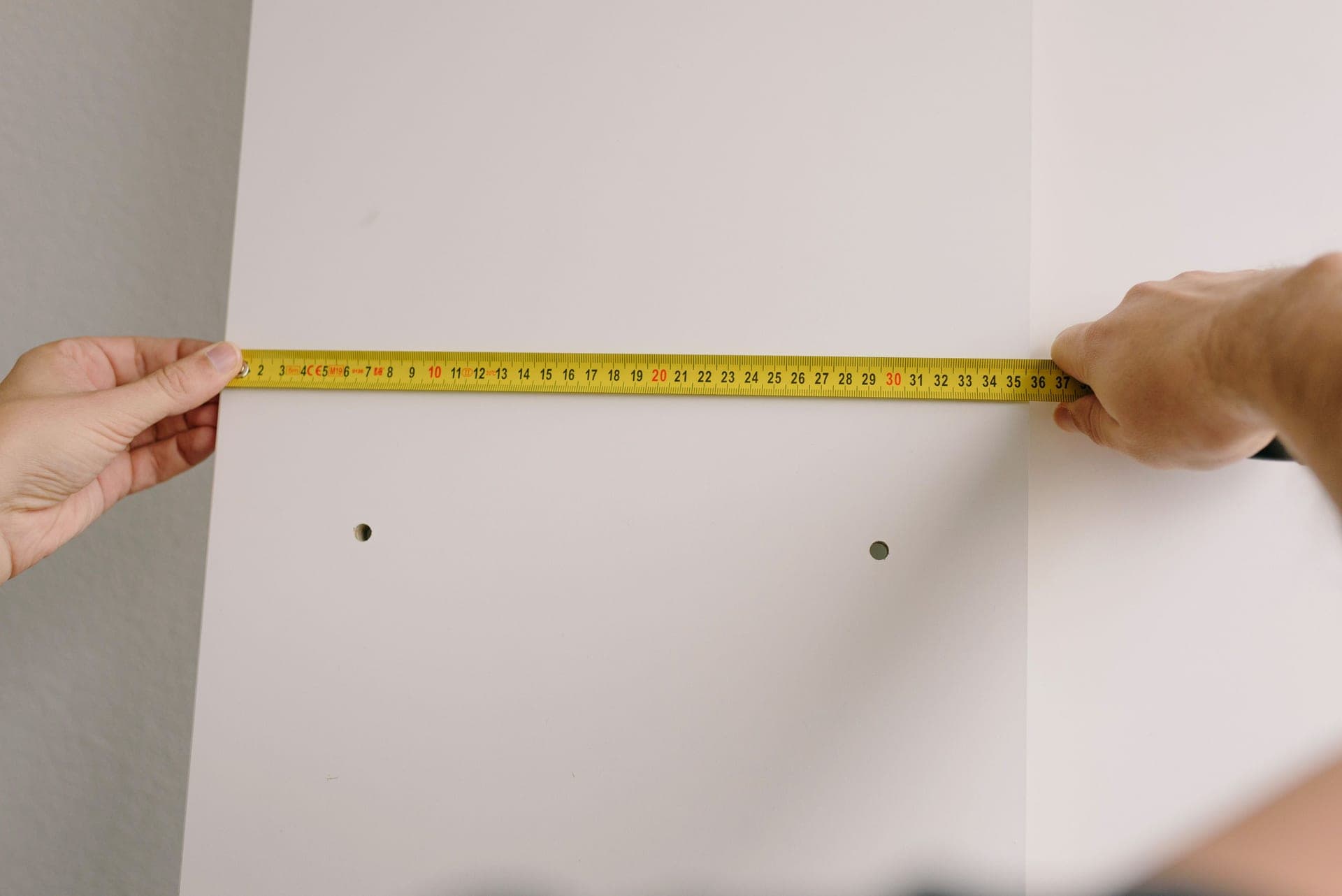
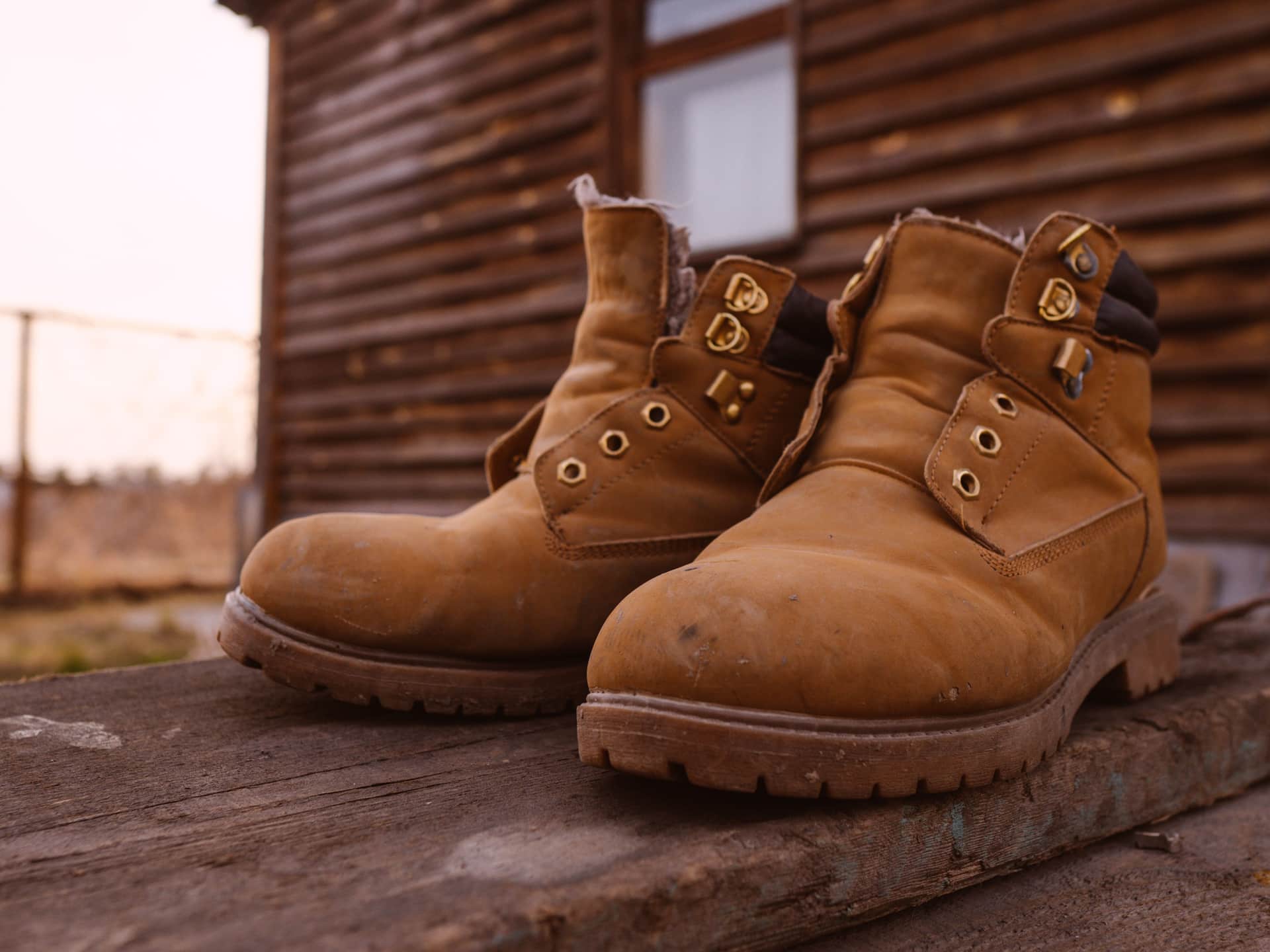
1. Get the length and width right before anything else. Fit late in the day with your work sock on. Pull the factory footbed out and stand on it — if your foot overhangs the edges, the boot is too narrow whatever the number on the box says. Take the width before you take the length: sizing up to fix a narrow boot leaves you with a long boot that still pinches and lets your foot slide forward.
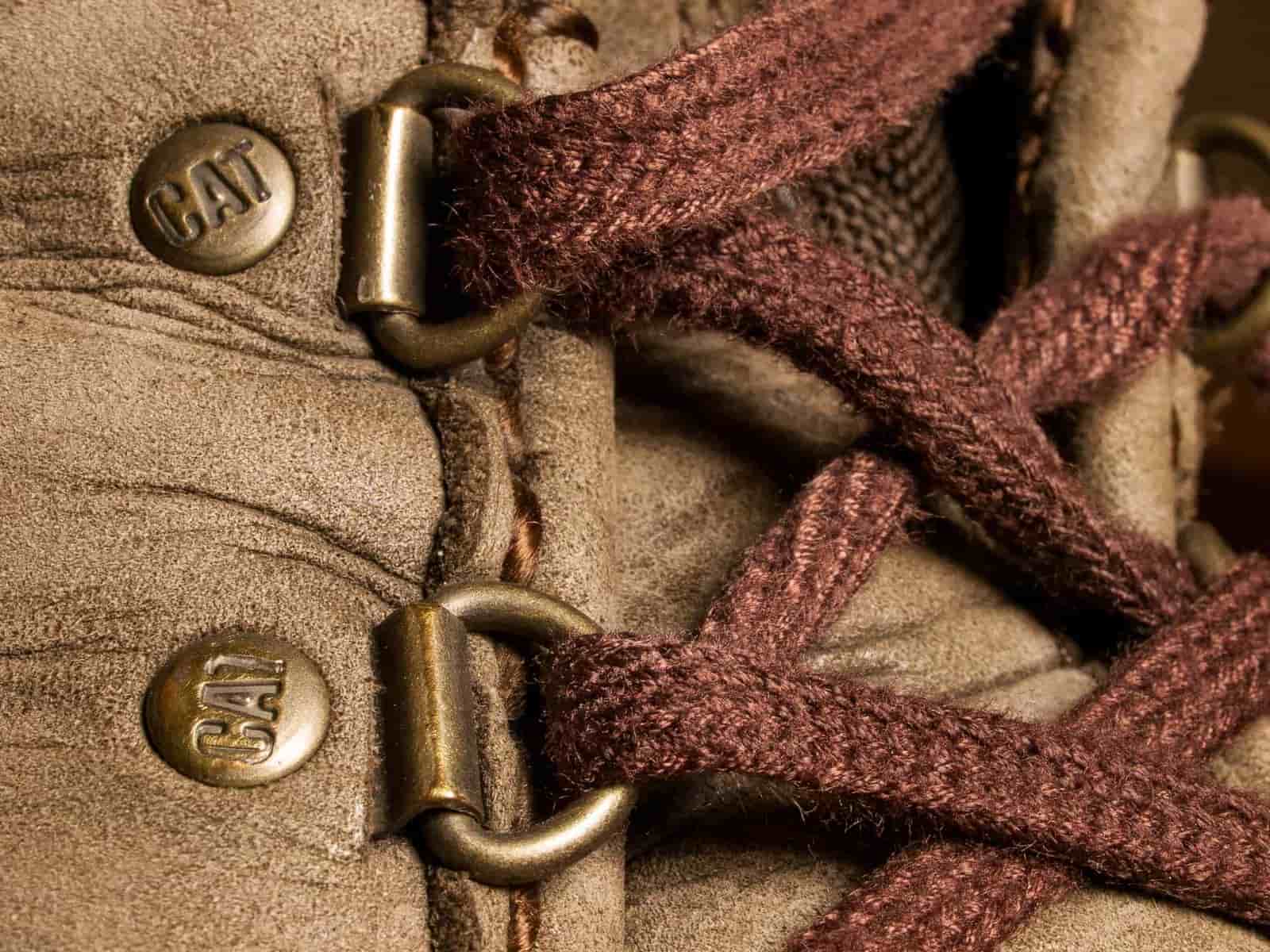
2. Fix the lacing before you blame the boot. Numbness across the top of the foot is almost always even tension over the instep. Lace the forefoot loosely, the ankle tightly, with a surgeon's knot at the transition to hold two tensions in one lace. Heel lift is the other one, and it is what drives your toes into the cap.
3. Match the sole to the surface. A flat wedge spreads load on concrete; a defined heel and lugs bite on broken ground. Standing on a slab in a logger boot is a self-inflicted injury.
4. Treat cushioning as a consumable. EVA compresses and stops rebounding, often within a year, while the boot still looks fine. If your feet hurt in boots that used to be comfortable, replace the footbed before you replace the boots.
5. Break the boot in deliberately. A stitchdown or welted leather boot needs weeks, not a shift. Buy it three weeks before you need it and break it in properly — the boot molds to your foot, and rushing it is how you get the blister that decides you hate the boot.