Trades
Best Work Boots for Concrete & Masonry
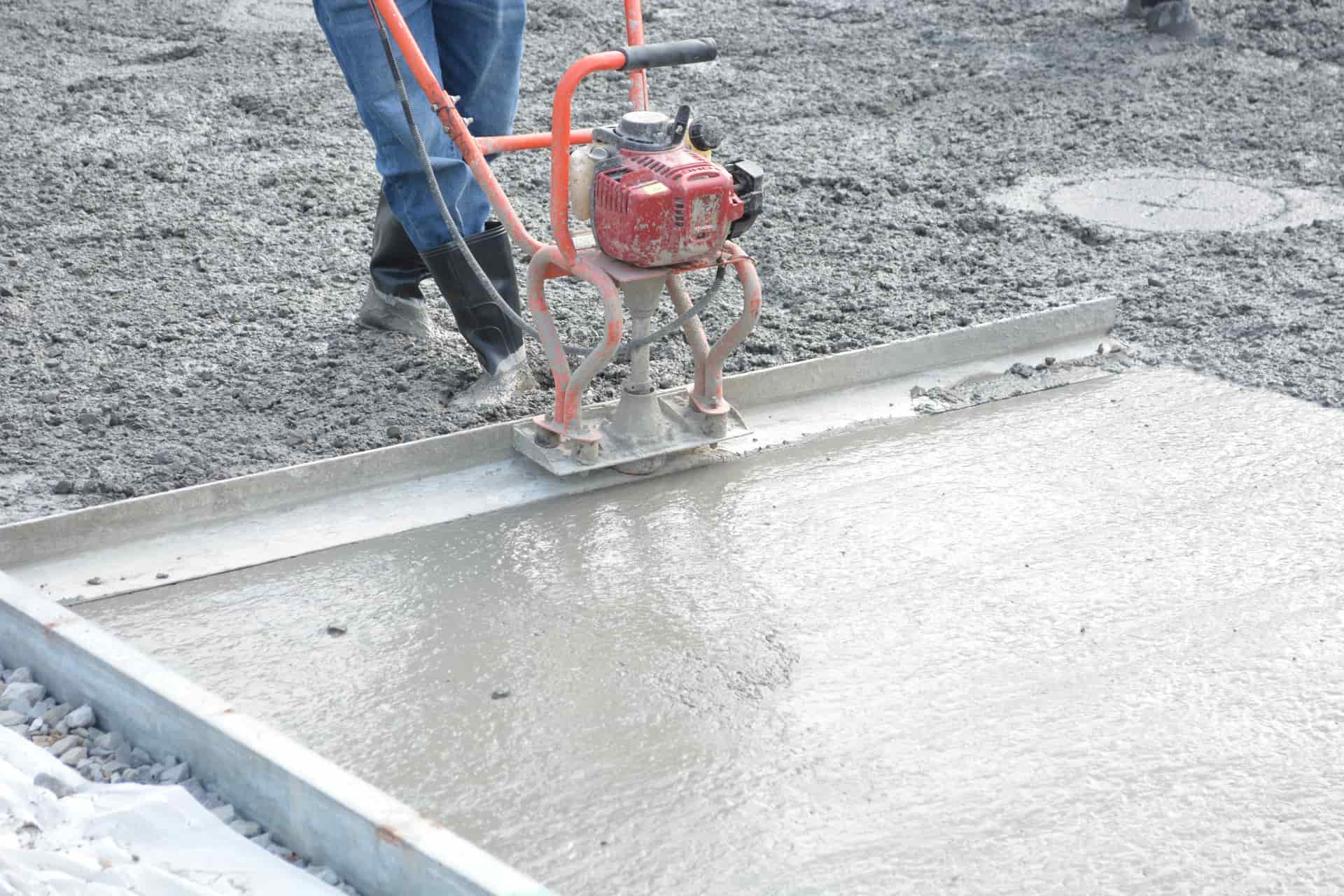
The slab is hard on your feet. The wet mix is hard on your boots.
Disclosure: product links on this page go to Amazon. As an Amazon Associate we earn from qualifying purchases, at no extra cost to you. It does not change which boots we recommend or the order they appear in — here is the full disclosure.
Quick picks
| # | Product | Best for | Toe & rating | Price |
|---|---|---|---|---|
| 1 |  Georgia Boot AMP LT Wedge Composite Toe Waterproof Work Boot (GB00592) A waterproof composite-toe wedge whose SPR leather is specified against named caustics — the pick where the floor is flat and the spills are chemical. | Upper specified against caustics | Ergo-Fit composite toeMeets ASTM F2413 Protective Toe Classification and ASTM F2413 Electrical Hazard Classification | |
| 2 | Thorogood American Heritage 6" Moc Toe Safety Toe MAXWear Wedge (804-4200) A Goodyear-welted, USA-built wedge with a steel toe and an EH rating — the default answer for anyone who stands on a flat hard floor and wants a boot that can be resoled. | Resoleable wedge for slabs | Steel safety toe, moc toe shapeASTM F2413-18, EH | |
| 3 |  Carolina Spruce 8" Steel Toe Waterproof Logger A waterproof 8-inch logger with a triple-bar steel shank — the stiff underfoot platform that ladder rungs and pole work actually need. | Waterproof for wet pours | Steel safety toe capMeets or exceeds ASTM F2413-18 for compression and impact; electrical hazard protection tested to withstand 18,000 volts at 60Hz for one minute without leakage | |
| 4 | KEEN Utility San Jose 6" Aluminum Toe Wedge Work Boot A wedge-sole boot with an asymmetrical aluminum toe that KEEN states weighs 35% less than steel — the lightweight answer for flat-floor trades. | Lightweight wedge | Asymmetrical aluminum safety toeASTM F2413-18 M/I/75/C/75 with EH (KEEN Utility safety-toe standard); KEEN states aluminum toes weigh 35% less than steel | |
| 5 |  Obenauf's Heavy Duty LP Leather Preservative A thick beeswax-and-oil paste that penetrates rather than coats — the heavy option for boots that get genuinely wet, with the caveat that it darkens leather. | Sealing leather against the mix | Not applicable — leather care productNot applicable |
Tap a row to jump to that boot's full write-up. The price column goes straight to Amazon.
Why wet concrete destroys boots
Wet cement is strongly alkaline. On skin it causes chemical burns; on leather it strips the oils and fats that keep the fibers supple, and the leather dries, hardens and cracks. Boots that survive a year anywhere else can be finished in a season on a pour crew.
Georgia Boot is unusually specific about this. It states that the SPR leather on the AMP LT Wedge resists caustic alkali, sulfuric acid, calcium hydroxide, potassium phosphate and caustic potash — calcium hydroxide being exactly what makes wet concrete caustic. Naming the chemicals is more useful than the phrase “chemical resistant” on a hangtag.
Whatever upper you buy, the routine matters more than the material: rinse the boots before the mix dries, let them dry away from heat, and recondition the leather. A heavy beeswax preservative like Obenauf's penetrates rather than coating, and the maker recommends light conditioning roughly every six to eight weeks — on a pour crew, more often. Note that it darkens leather permanently, so spot test first.
Standing on the slab
A cured concrete floor returns every bit of impact you put into it, which is why NIOSH's evidence on prolonged standing — low back pain, fatigue, leg swelling, muscle pain, with clear effects from around three hours — bites hardest on concrete crews.
The sole answer is a flat wedge. Spreading load across the whole footprint beats concentrating it under a heel, and there is no terrain here for lugs to bite into. That is the same reasoning as the concrete comfort roundup, which goes into the midsole side of the problem in more detail.
Waterproof for wet pours, breathable for everything else
On a pour day you want water out of the boot, full stop. A waterproof membrane or a sealed leather system is the answer, and Carolina's SCUBALINER and Georgia's waterproof system are both published.
On a finishing or block-laying day in July, the same membrane is miserable. Two pairs is a genuinely better answer than one compromise pair if you work year-round on pours.
What to look for
- An upper specified against alkali, ideally naming the chemicals.
- A flat wedge outsole for the slab.
- Waterproofing if you are on pours rather than finishing.
- A smooth upper with few seams — mix gets into seams and stays there.
- Speed hooks you can clean, because cement sets in lace hardware.
- A heavy conditioner in the truck and the discipline to use it.
The picks in full
Illustrative category photo — not this model#1 — Upper specified against caustics
Georgia Boot AMP LT Wedge Composite Toe Waterproof Work Boot (GB00592)
A waterproof composite-toe wedge whose SPR leather is specified against named caustics — the pick where the floor is flat and the spills are chemical.
Published specifications
- Toe
- Ergo-Fit composite toe
- Safety rating
- Meets ASTM F2413 Protective Toe Classification and ASTM F2413 Electrical Hazard Classification
- Upper
- Abrasion-resistant SPR leather, stated to resist caustic alkali, sulfuric acid, calcium hydroxide, potassium phosphate and caustic potash
- Outsole
- Carbo-Tec rubber outsole over dual-density EVA — heat, chemical, abrasion and slip resistant
- Midsole / shank
- Cushioning EVA midsole with a fiberglass shank
- Construction
- Not published as a welt construction
- Waterproof
- Waterproof — Georgia Waterproof System
- Insulation
- Not insulated
Specifications read from Georgia Boot product page (AMP LT Wedge composite toe, GB00592) on 2026-09-27. We have not worn this boot.
What works
- Names the specific chemicals the upper resists instead of saying chemical-resistant
- Fiberglass shank keeps the whole boot non-metallic underfoot
- Wedge sole plus waterproofing is a rare combination
What doesn't
- Memory-foam insoles pack down faster than PU
- EVA midsole compresses over a year of hard use
- Not resoleable
Who this is wrong for
Cold-weather outdoor work. A dual-density EVA midsole stiffens in the cold and this boot has no insulation.
Sizing
Georgia's AMP LT last is medium-volume. If you swap the memory-foam insole for a firmer orthotic you will gain a little room, which can make a snug pair workable.
Illustrative category photo — not this model#2 — Resoleable wedge for slabs
Thorogood American Heritage 6" Moc Toe Safety Toe MAXWear Wedge (804-4200)
A Goodyear-welted, USA-built wedge with a steel toe and an EH rating — the default answer for anyone who stands on a flat hard floor and wants a boot that can be resoled.
Published specifications
- Toe
- Steel safety toe, moc toe shape
- Safety rating
- ASTM F2413-18, EH
- Upper
- Tobacco full-grain American leather, unlined
- Outsole
- MAXWear Wedge slip-resistant outsole
- Midsole / shank
- Rubber midsole with composite shank
- Construction
- Goodyear storm welt
- Waterproof
- Not waterproof
- Insulation
- Not insulated
- Widths
- D and EE, sizes 7-14 in both widths
- Weight
- Not published on the manufacturer page
- Made in
- Made in USA with USA and globally sourced components
Specifications read from Thorogood product page (804-4200) on 2026-09-27. We have not worn this boot.
What works
- Goodyear storm welt is a resoleable construction, not a disposable one
- Flat wedge spreads load evenly on concrete instead of concentrating it under a heel
- Unlined upper breaks in to the foot rather than around a liner
- EE width is stocked across the whole size run, not just the middle
What doesn't
- Not waterproof and not insulated — the unlined upper soaks
- A flat wedge gives up bite on mud, gravel and ladder rungs
- Manufacturer publishes no weight figure, so weight comparisons are guesswork
Who this is wrong for
Anyone working outdoors on soft or uneven ground, or in standing water. The wedge has no lugs to bite and the unlined upper is not waterproof.
Sizing
Thorogood's moc-toe last is widely reported to run large; owner reviews consistently suggest going a half size down from a measured Brannock length. D and EE are both stocked, so take the width rather than sizing up for room.
Illustrative category photo — not this model#3 — Waterproof for wet pours
Carolina Spruce 8" Steel Toe Waterproof Logger
A waterproof 8-inch logger with a triple-bar steel shank — the stiff underfoot platform that ladder rungs and pole work actually need.
Published specifications
- Toe
- Steel safety toe cap
- Safety rating
- Meets or exceeds ASTM F2413-18 for compression and impact; electrical hazard protection tested to withstand 18,000 volts at 60Hz for one minute without leakage
- Upper
- Leather upper with the SCUBALINER waterproof lining
- Outsole
- Oil- and slip-resisting rubber logger outsole
- Midsole / shank
- Triple-bar steel shank with a Pillow Cushion footbed
- Construction
- Not published as a welt construction on this page
- Waterproof
- Waterproof — SCUBALINER
- Insulation
- Not insulated in this model; Carolina lists an insulated version
- Widths
- Carolina lists logger widths up to 4E on some models
Specifications read from Carolina Shoe product page (Spruce 8" steel toe waterproof logger) on 2026-09-27. We have not worn this boot.
What works
- States the EH test conditions, which most brands summarize away
- The triple-bar shank is the real reason to buy a logger
- Waterproof at a working price
What doesn't
- A rigid shank is punishing on flat concrete
- Heavy
- Steel shank and steel toe: fully metallic underfoot
Who this is wrong for
Warehouse and flat-floor work. A logger's stiffness is a feature on a rung and a liability on level ground.
Sizing
Loggers fit tighter through the arch because the shank does not flex. Fit it laced fully and stand on a step edge before you commit.
Illustrative category photo — not this model#4 — Lightweight wedge
KEEN Utility San Jose 6" Aluminum Toe Wedge Work Boot
A wedge-sole boot with an asymmetrical aluminum toe that KEEN states weighs 35% less than steel — the lightweight answer for flat-floor trades.
Published specifications
- Toe
- Asymmetrical aluminum safety toe
- Safety rating
- ASTM F2413-18 M/I/75/C/75 with EH (KEEN Utility safety-toe standard); KEEN states aluminum toes weigh 35% less than steel
- Upper
- Leather upper
- Outsole
- Oil- and slip-resistant wedge outsole
- Midsole / shank
- Air-infused KEEN Luftcell midsole
- Construction
- Not published as a welt construction
- Waterproof
- Both a non-waterproof and a waterproof San Jose are listed; check the specific variant
- Insulation
- Not insulated
Specifications read from KEEN Utility product page (San Jose 6" aluminum toe) on 2026-09-27. We have not worn this boot.
What works
- Lightest metal safety toe on this list, with a published figure
- Wedge sole suits concrete and finished floors
- Luftcell midsole is softer underfoot than a plain rubber wedge
What doesn't
- Aluminum is still metal — it conducts cold and trips detectors
- A wedge gives up traction on mud and gravel
- Not resoleable
Who this is wrong for
Cold outdoor work. A metal cap of any kind pulls heat out of the toes; take a composite or carbon toe into the cold.
Sizing
KEEN's roomy forefoot plus a wedge platform means the boot feels wide immediately. Do not read that as too big — check heel hold before you size down.
Illustrative category photo — not this model#5 — Sealing leather against the mix
Obenauf's Heavy Duty LP Leather Preservative
A thick beeswax-and-oil paste that penetrates rather than coats — the heavy option for boots that get genuinely wet, with the caveat that it darkens leather.
Published specifications
- Toe
- Not applicable — leather care product
- Safety rating
- Not applicable
- Upper
- Not applicable
- Outsole
- Not applicable
- Midsole / shank
- Not applicable
- Construction
- All-natural beeswax and oil paste
- Waterproof
- Heavy on beeswax, which is why it is one of the stronger boot waterproofing options
- Insulation
- Not applicable
- Made in
- Made in the USA, per the product listing
Specifications read from Obenauf's Heavy Duty LP product listing (8oz) on 2026-09-27. We have not worn this boot.
What works
- The strongest waterproofing of the common conditioners
- Penetrates the fiber instead of sitting on top of it
- A tin lasts a very long time
What doesn't
- Darkens leather, permanently and noticeably
- Not for suede
- Messier and slower to apply than a liquid conditioner
Who this is wrong for
Suede, and any boot whose color you care about keeping. Use Bick 4 instead for color-safe upkeep.
Sizing
Not a sizing product. Apply thin and warm — a hair dryer on low helps it absorb — and never bake leather to speed it up.
Frequently asked questions
Why does concrete ruin work boots?
Wet cement is strongly alkaline. It draws the oils and fats out of leather, and the leather then dries hard and cracks. The damage is chemical rather than abrasive, which is why boots can look barely worn and still be failing — and why rinsing the mix off before it dries matters more than any coating.
What sole is best for concrete?
A flat wedge. It spreads load across the whole footprint instead of concentrating it under a heel, which is what an unyielding surface punishes. Lugs give you nothing indoors or on a finished slab and reduce the contact area that is doing the work.
How do I protect leather boots from cement?
Rinse before it dries, dry away from heat, and recondition regularly. A beeswax-and-oil preservative like Obenauf's Heavy Duty LP penetrates the leather rather than coating it and is heavy on beeswax, which is what makes it one of the stronger waterproofing options. It darkens leather, so spot test first, and it is not suitable for suede.
Should concrete workers wear waterproof boots?
On pour days, yes — keeping wet mix out of the boot protects both the boot and your skin. On finishing and block work in warm weather, a membrane boot is uncomfortably hot for no benefit. If you do both year-round, two pairs beats one compromise.
Sources
- NIOSH Science Blog — Prolonged Standing at Work — NIOSH's own summary of the evidence on prolonged standing
- Evidence of health risks associated with prolonged standing at work (CDC Stacks) — The underlying review: low back pain, fatigue, leg swelling, vascular effects
- OSHA 29 CFR 1910.136 — Foot protection — The federal rule itself: when protective footwear is required, and which consensus standards it accepts
Read next
Best Work Boots for Concrete
The comfort side of the same surface — midsoles, wedges and fatigue.
Work Boot Care & Cleaning
The routine that decides whether your boots survive a season of pours.
ASTM F2413 Explained
The rating your trade actually needs, and what each code on the label certifies.
Work Boot Sizing Guide
Get the fit right before you spend money — most boot complaints are fit.
How to Break In Work Boots
What to do in the two weeks before your first full shift in a new pair.