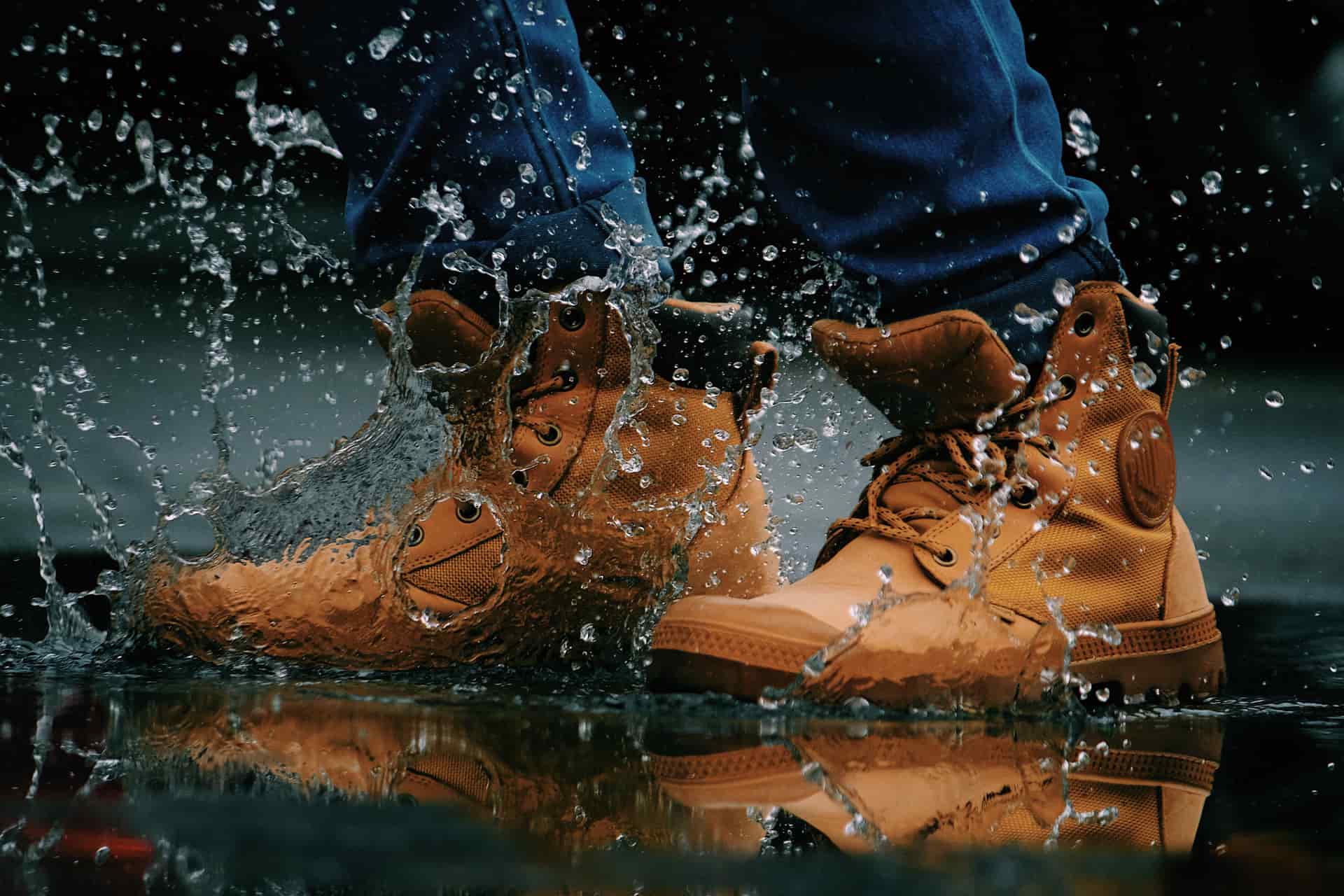
Best Waterproof
Best Waterproof Work Boots
Six boots with named waterproofing systems, plus the breathability cost and the drying problem a membrane creates.
Top pick: Timberland PRO Boondock 6" Composite Toe Waterproof Work Boot
Hub
Three decisions that pull against each other. Pick deliberately.

Weather features are the easiest place to over-buy. A boot that is waterproof, insulated to 600 grams and built on a deep winter outsole is superb in February and genuinely unpleasant from April onward — and most people wear one pair all year.
The three decisions are separate and they trade against each other. A waterproof membrane cuts breathability, which is why the best hot-weather boot is usually the one with no membrane at all. Insulation you cannot remove is a liability the moment you walk into a heated building. And the outsole compound that grips best in the cold is not always the one that grips best on a wet, oily indoor floor.
Slip resistance is the one most worth getting right, because it is the one with a named test behind it. ASTM F3445 sets a minimum coefficient of friction of 0.40 in wet and dry conditions and 0.33 in oily-wet — a boot carrying an SR or SRO designation has been measured against those thresholds, and a boot with “superior traction” on a hangtag has not.
Disclosure: product links on this page go to Amazon. As an Amazon Associate we earn from qualifying purchases, at no extra cost to you. It does not change which boots we recommend or the order they appear in — here is the full disclosure.
Best Waterproof
Six boots with named waterproofing systems, plus the breathability cost and the drying problem a membrane creates.
Top pick: Timberland PRO Boondock 6" Composite Toe Waterproof Work Boot

Best Slip-Resistant
What ASTM F3445 actually measures, why lugs lose on smooth wet floors, and five boots with real designations.
Top pick: Carhartt Ground Force Waterproof 6" Composite Toe Work Boot
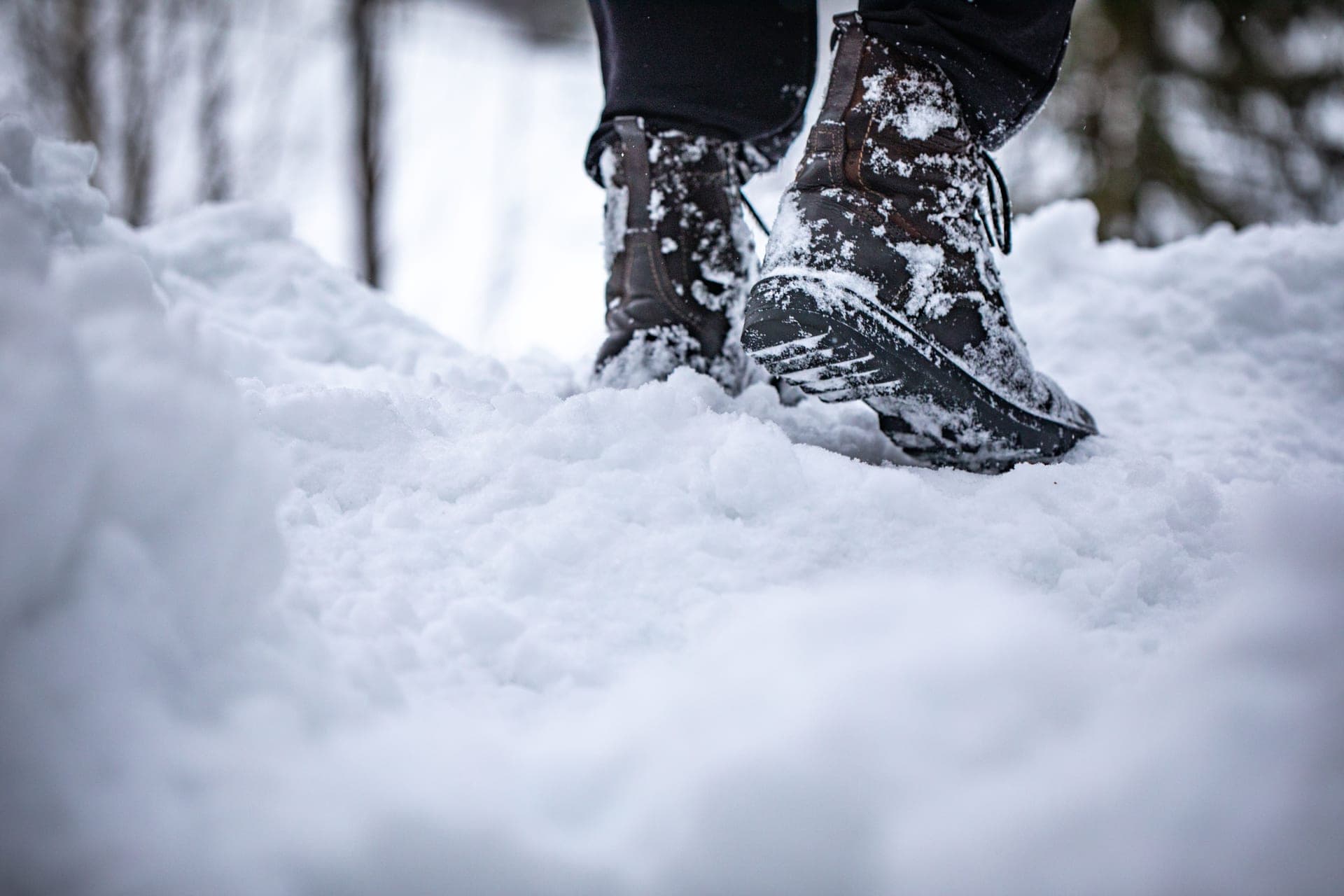
Best Insulated
What the gram figure measures, why activity level beats temperature, and five insulated boots matched to real shifts.
Top pick: Timberland PRO Boondock Composite Toe 600G Insulated Waterproof Work Boot

Best for Heat
Unlined uppers, no membrane, a non-conducting cap and low weight — plus why 'breathable waterproof' is a compromise.
Top pick: Thorogood American Heritage 6" Moc Toe MAXWear Wedge, soft toe (814-4200)
A repeatable six-step treatment, which product suits which leather, and the mistakes that undo the whole job.
Top pick: Obenauf's Heavy Duty LP Leather Preservative
One is a construction, the other a treatment. They fail differently, and which you want depends on how wet your work actually is.
Top pick: Timberland PRO Boondock 6" Composite Toe Waterproof Work Boot
The gram figure decoded, why temperature ratings disappeared, and the four variables that decide whether your feet are warm.
1. Decide whether you need waterproof or breathable. If you stand in water, you need a membrane and you accept the heat. If you sweat more than you get rained on, an unlined boot plus a wax treatment is the more comfortable answer for most of the year. Very few people genuinely need both in one boot, and the compromise version is worse at each job than a dedicated boot would be.
2. Buy insulation for your activity level, not the temperature. The gram figure measures insulation weight per square meter, and a moving worker generates far more heat than a stationary one. 200g is light protection for mild cold; 400g suits active work in real cold; 600g suits a cold shift where you are moving but not exerting; 800g and above is for standing still in severe cold. Overshoot and your feet sweat, then get cold — damp feet are colder than dry ones.
3. Match the slip rating to the actual surface. Oily-wet is a harder problem than plain wet, and ASTM F3445 reflects that with a lower threshold. A workshop floor needs a soft siped compound; a muddy site needs lugs that shed; an icy yard needs a compound specified to stay flexible when cold.
4. Remember the cold makes rubber harder. A boot that grips beautifully in September can skate in January because the outsole compound has stiffened. Timberland is one of the few makers to address this directly, specifying an all-weather TPU outsole formulated to stay flexible in variable weather.
5. Consider two pairs before one compromise. If you work outdoors year-round, a summer boot and a winter boot genuinely beat one boot that is wrong half the time — and each lasts longer for being worn half as often.
Waterproof means a membrane or sealed construction that keeps water out under sustained exposure, and good makers name the system or the test standard — Timberland states its Boondock membrane meets ASTM F1671-07. Water resistant means treated leather that sheds a splash and eventually wets out. For standing water, only the first is useful.
It depends on activity as much as temperature. 200g is light protection for mild cold, 400g suits active outdoor work in real cold, 600g suits a cold shift where you are moving but not exerting, and 1000g and above is built for extreme cold with low activity. Overshooting makes your feet sweat, and damp feet get colder than dry ones.
It is a slip-resistance designation under ASTM F3445, which sets a minimum coefficient of friction of 0.40 in wet and dry conditions and 0.33 in oily-wet. SRO specifically covers oily conditions. It is a measured threshold, unlike phrases such as 'oil resistant' or 'superior traction', which may only describe the outsole compound.