Comfort & Fit
How to Condition Leather Work Boots
One habit, six steps, and the difference between a wax and a conditioner.
Disclosure: product links on this page go to Amazon. As an Amazon Associate we earn from qualifying purchases, at no extra cost to you. It does not change which boots we recommend or the order they appear in — here is the full disclosure.
Quick picks
| # | Product | Best for | Toe & rating | Price |
|---|---|---|---|---|
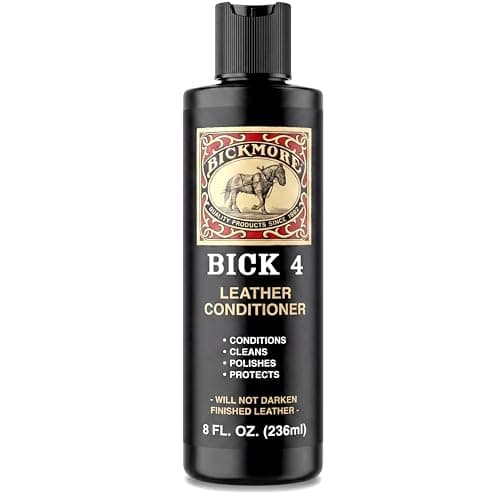
| 1 | Bickmore Bick 4 Leather Conditioner A one-step liquid cleaner-conditioner that does not darken leather — the right product for regular maintenance and the wrong one for waterproofing. | Routine upkeep, no colour change | Not applicable — leather care productNot applicable | |
| 2 | 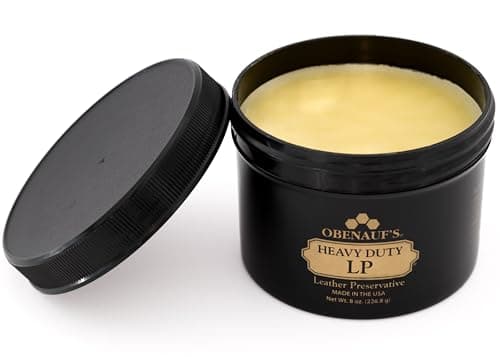 Obenauf's Heavy Duty LP Leather Preservative A thick beeswax-and-oil paste whose oils seep into the fiber while the wax shields the surface — the heavy option for boots that get genuinely wet, with the caveat that it darkens leather. | Wet-service boots that need wax | Not applicable — leather care productNot applicable | |
| 3 | 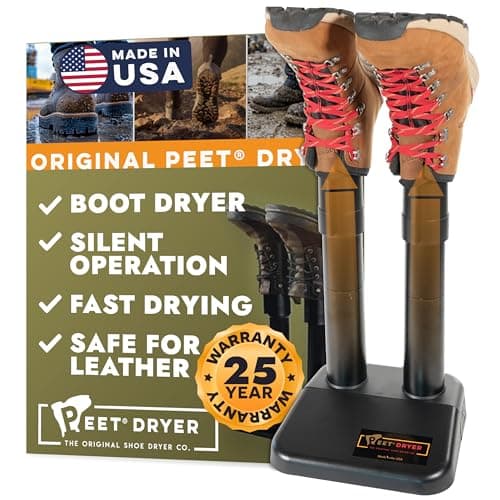 PEET Original Electric Shoe and Boot Dryer A 36-watt convection dryer with no fan and no element blast — it dries boots overnight without the heat that kills leather and delaminates adhesives. | Drying without the heat that undoes it | Not applicable — boot dryerNot applicable |
Tap a row to jump to that boot's full write-up. The price column goes straight to Amazon.
What conditioning actually does
Leather is a fiber structure held flexible by oils. Wear, water, heat and time all remove those oils, and once they are gone the fibers stop sliding past each other — which is what you feel as a boot going stiff, and what you see as cracking along the flex crease across the vamp. That crease is where a work boot fails first, because it is where the boot bends several thousand times a day.
Conditioning puts the oils back before the fiber breaks. It is the cheapest maintenance in this entire category and the one with the clearest return: a conditioned upper on a resoleable boot can outlast several outsoles, while a dried-out upper ends the boot regardless of how good the sole still is.
Conditioner or wax — they are not the same job
| Liquid conditioner (e.g. Bick 4) | Beeswax paste (e.g. Obenauf's HDLP) | |
|---|---|---|
| What it does | Cleans and replaces oils in one step | Oils seep into the fiber while the wax shields the surface |
| Water resistance | Little — it is upkeep, not waterproofing | Substantial; heavy on beeswax |
| Colour | Does not darken leather | Darkens leather, permanently |
| Use it when | Routine maintenance; boots whose colour you want to keep | Boots that are wet most days; oil-tanned leather |
| Do not use on | Wet-service field boots that need a wax | Suede, nubuck, or any boot whose colour matters |
Most people need the liquid. The wax is for a specific condition — boots that are genuinely wet on a regular basis — and it is a one-way decision on colour. If your question is really about keeping water out rather than keeping leather alive, how to waterproof work boots is the page for it.
The six-step method
- Pull the laces out and knock off loose dirt with a stiff brush. Grit left in the welt cuts the stitching.
- Wipe the upper with a damp cloth, or a very dilute saddle soap if the boot is genuinely filthy. Do not soak it.
- Let the boot dry at room temperature, away from any heat source. Dry leather absorbs conditioner; wet leather does not.
- Apply a thin coat with a cloth or your fingers, working in small circles. Thin is the operative word — more product does not condition further, it sits on the surface.
- Pay particular attention to the flex crease across the vamp, the collar and the welt. Those three are where the boot moves, dries and fails.
- Leave it an hour, then buff off whatever has not absorbed with a clean cloth.
How often
Every four to six weeks for a boot in daily outdoor use. Every two to three months for indoor or intermittent wear. Immediately after any soaking, because water leaving leather takes oils with it — that is the single highest-value application you will ever do.
The leather tells you when it is overdue. Hold the boot and flex the vamp: if the creases stay sharp and pale rather than relaxing back, it is dry. Faded, chalky-looking leather at the toe is the same signal.
Drying is half of conditioning
A wet boot that dries too fast is a boot that cracks, and the usual culprits are radiators, heaters and car vents. Heat drives the remaining moisture out of the fiber faster than the structure can cope with, and on a cemented boot it attacks the adhesives at the same time.
Pull the insoles and loosen the laces so air reaches inside, and dry at room temperature. If you need boots dry by morning, a convection dryer does it with warmed air rather than an element blast — PEET's Original runs at 36 watts with no fan for exactly this reason, which is slow by design. Why work boots smell covers the related problem a damp interior creates.
What not to put on a work boot
One note on unlined and oil-tanned leather
Thorogood builds the American Heritage upper in unlined tobacco full-grain leather, and unlined boots take conditioner faster and need it more often because there is no liner buffering the inside from your foot's moisture. Oil-tanned leathers are the opposite case — they arrive loaded with oils and want wax more than conditioner.
Suede and nubuck are a different material question entirely: brush them, use a dedicated suede protector, and keep every product on this page away from them. Work boot care and cleaning covers the full routine including outsoles, laces and storage, and how long work boots last puts a number on what this habit buys you.
The picks in full
#1 — Routine upkeep, no colour change
Bickmore Bick 4 Leather Conditioner
A one-step liquid cleaner-conditioner that does not darken leather — the right product for regular maintenance and the wrong one for waterproofing.
Published specifications
- Toe
- Not applicable — leather care product
- Safety rating
- Not applicable
- Upper
- Not applicable
- Outsole
- Not applicable
- Midsole / shank
- Not applicable
- Construction
- Liquid one-step cleaner and conditioner
- Waterproof
- Not a waterproofing product — built for upkeep and color preservation
- Insulation
- Not applicable
Specifications read from Bickmore Bick 4 product listing (authorized retailer) on 2026-09-27. We have not worn this boot.
What works
- Color-safe, which Obenauf's is not
- Fast enough to actually do every few weeks
- Works on smooth leather of every finish
What doesn't
- Provides little waterproofing
- Needs doing more often than a wax
- Does nothing for a boot that is already soaked through
Who this is wrong for
Wet-service field boots. If your boots are wet most days, you need a wax, not a liquid conditioner.
Sizing
Not a sizing product. Clean the boot first — conditioner over grit grinds the grit into the leather.
#2 — Wet-service boots that need wax
Obenauf's Heavy Duty LP Leather Preservative
A thick beeswax-and-oil paste whose oils seep into the fiber while the wax shields the surface — the heavy option for boots that get genuinely wet, with the caveat that it darkens leather.
Published specifications
- Toe
- Not applicable — leather care product
- Safety rating
- Not applicable
- Upper
- Not applicable
- Outsole
- Not applicable
- Midsole / shank
- Not applicable
- Construction
- All-natural beeswax and oil paste
- Waterproof
- Heavy on beeswax, which is why it is one of the stronger boot waterproofing options
- Insulation
- Not applicable
- Made in
- Made in Idaho, USA, per the maker's product page
Specifications read from Obenauf's own Heavy Duty LP product page on 2026-10-05. We have not worn this boot.
What works
- The strongest waterproofing of the common conditioners
- Time-release oils keep feeding the fiber and will not seal the leather
- A tin lasts a very long time
What doesn't
- Darkens leather, permanently and noticeably
- Not for suede
- Messier and slower to apply than a liquid conditioner
Who this is wrong for
Suede, and any boot whose color you care about keeping. Use Bick 4 instead for color-safe upkeep.
Sizing
Not a sizing product. Apply thin and warm — a hair dryer on low helps it absorb — and never bake leather to speed it up.
#3 — Drying without the heat that undoes it
PEET Original Electric Shoe and Boot Dryer
A 36-watt convection dryer with no fan and no element blast — it dries boots overnight without the heat that kills leather and delaminates adhesives.
Published specifications
- Toe
- Not applicable — boot dryer
- Safety rating
- Not applicable
- Upper
- Not applicable
- Outsole
- Not applicable
- Midsole / shank
- Not applicable
- Construction
- Thermal convection — slightly warmed air rises through AirChambers and DryPorts
- Waterproof
- Not applicable
- Insulation
- Not applicable
- Weight
- 2.5 lbs
- Made in
- Made in the USA, per PEET
Specifications read from PEET product page (The Original) on 2026-09-27. We have not worn this boot.
What works
- Gentle enough to leave leather boots on overnight, every night
- Silent, so it can live in a bedroom or hallway
- The warranty term is unusually long and published
What doesn't
- Slow compared with a forced-air dryer
- Only handles one pair at a time
- Does nothing about odor on its own
Who this is wrong for
Anyone who needs boots dry in an hour. Convection is gentle because it is slow — buy the forced-air Advantage model if speed matters.
Sizing
Not a sizing product. Pull the insoles out and dry them separately, or the footbed stays damp under a dry boot.
Frequently asked questions
How often should I condition leather work boots?
Every four to six weeks for boots in daily outdoor use, every two to three months for lighter wear, and immediately after any soaking. Water leaving leather takes oils with it, so the application after a wet day is the most valuable one you will do.
What is the best conditioner for work boots?
For routine upkeep without changing the colour, a liquid one-step cleaner-conditioner such as Bickmore Bick 4. For boots that are wet most days, a beeswax-and-oil paste such as Obenauf's Heavy Duty LP, accepting that it darkens leather permanently and should never go on suede.
Can you over-condition leather boots?
Yes. Excess oil softens the structure the boot relies on for support, which matters more in a safety-toe boot than in a casual one. Apply thin coats, let them absorb for an hour, and buff off the surplus rather than leaving it on.
Should I condition boots before or after waterproofing?
Condition first on clean, dry leather, let it absorb, then apply a wax or treatment on top. Conditioner feeds the fiber and waterproofing shields the surface — in the other order the treatment blocks the conditioner from getting in.
Does conditioning help break in new boots?
It does. Stiffness in a new boot is largely dry, tightly packed fiber, and a light coat of conditioner lets the fibers move sooner. It cannot change the boot's length or the room above the toes, so it speeds break-in without fixing a fit problem.
Sources
- Nicks Boots — resoling vs rebuilding — A maker explaining the difference, with its own published service prices
- Red Wing Shoes — repairs and resoling — Red Wing's own factory repair service
Read next
Work Boot Care & Cleaning
The full routine: outsoles, laces, storage and drying.
How to Waterproof Work Boots
The next step if water is the real problem.
How Long Do Work Boots Last
What this habit is actually worth in months.
How to Break In Work Boots Fast
Conditioner is the accelerator in a fast break-in.