Comfort & Fit
How to Break In Work Boots Fast
Five steps that work, three that ruin boots, and one problem break-in cannot solve.
Disclosure: product links on this page go to Amazon. As an Amazon Associate we earn from qualifying purchases, at no extra cost to you. It does not change which boots we recommend or the order they appear in — here is the full disclosure.
Quick picks
| # | Product | Best for | Toe & rating | Price |
|---|---|---|---|---|
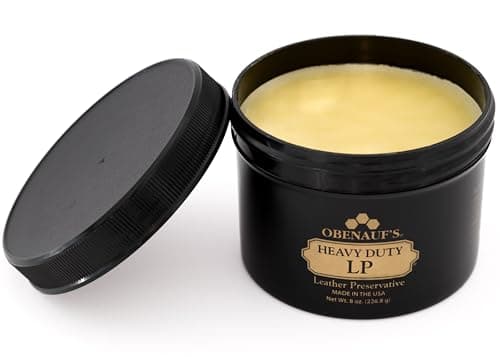
| 1 | Obenauf's Heavy Duty LP Leather Preservative A thick beeswax-and-oil paste whose oils seep into the fiber while the wax shields the surface — the heavy option for boots that get genuinely wet, with the caveat that it darkens leather. | Softening heavy oil-tanned leather | Not applicable — leather care productNot applicable | |
| 2 | 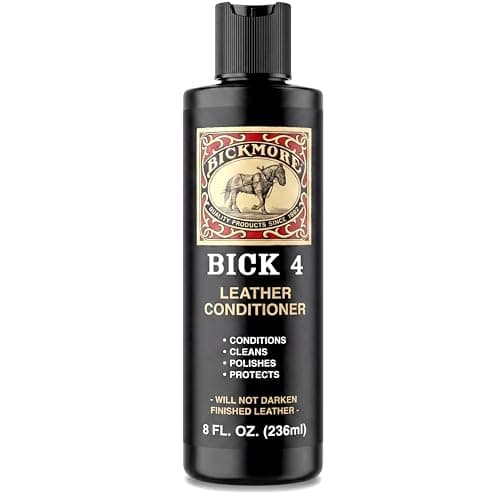 Bickmore Bick 4 Leather Conditioner A one-step liquid cleaner-conditioner that does not darken leather — the right product for regular maintenance and the wrong one for waterproofing. | Conditioning without darkening | Not applicable — leather care productNot applicable | |
| 3 | 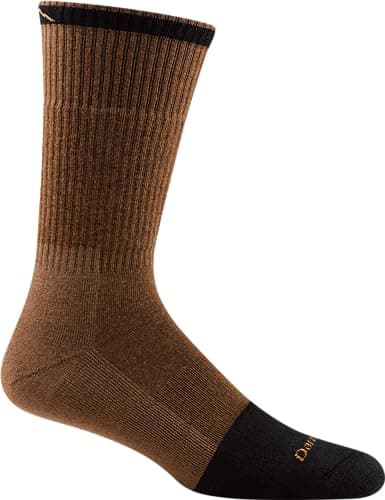 Darn Tough Work Steely Boot Midweight Sock with Full Cushion Toe Box A merino-blend work sock with extra padding specifically at the toe box — aimed at the one place a steel cap presses. | Preventing the blisters while you do it | Not applicable — sockNot applicable |
Tap a row to jump to that boot's full write-up. The price column goes straight to Amazon.
Five steps, in order
- Wear them indoors for an hour on day one, laced the way you would lace them at work, in the sock you will actually wear.
- Flex the sole deliberately — stand and rise onto the balls of your feet twenty or thirty times, which bends the boot where it will crease.
- Condition the upper lightly after the second wear, concentrating on the flex crease across the vamp and the collar.
- Add roughly an hour a day, and walk stairs: going up and down bends the sole through its full range in a way flat walking does not.
- Take a half shift by the end of week one, and carry your old boots for the first full day in case a hot spot appears.
That is the whole method and it compresses a three-week break-in into about one for most cemented and direct-attach boots. Welted and stitchdown boots take longer because there is more material to mold — Danner says plainly that its stitchdown Bull Run needs real break-in, and advises buying it well before you need it.
The conditioner is the accelerator
Leather stiffness is dry fiber. A conditioner puts oil back and lets the fibers slide past each other, which is physically what break-in is. Two different products do two different jobs here.
A liquid conditioner such as Bick 4 is the one to use on a boot whose colour you want to keep — it is a one-step cleaner and conditioner that does not darken leather. A heavy beeswax-and-oil paste such as Obenauf's Heavy Duty LP softens far more aggressively and waterproofs at the same time, with the trade that it will darken the leather permanently and is wrong for suede. Use the paste on a working boot you do not care about the colour of; use the liquid on anything else.
Apply a thin coat. Over-oiling a boot does not speed break-in further — it softens the structure you are relying on for support, and on a safety-toe boot that structure is doing a job. How to condition leather work boots has the full method and the frequency.
Three shortcuts that wreck boots
Socks are the difference between break-in and blisters
Break-in hot spots come from friction, and friction comes from a damp foot moving inside a stiff boot. A midweight merino-blend sock with cushioning placed where a safety cap presses does more for the first week than any technique on this page — Darn Tough builds the Work Steely specifically around the toe-box pressure a steel cap creates.
Two practical rules. Change socks at lunch for the first week, because dry fabric does not rub the way damp fabric does. And if you feel a hot spot, tape it before it becomes a blister rather than after.
What break-in cannot fix
This is the part worth internalising before you spend a week on it. Break-in softens and molds leather. It does not add length, and it does not add height above the toes. If the safety cap presses on day one, it will press on day thirty, because the cap is a rigid shell that does not move at all.
So: pressure across the top of the toes, toes touching the end of the cap, or numbness within an hour all mean the boot is the wrong size or the wrong volume, and the answer is an exchange rather than a break-in period. How steel toe boots should fit and are steel toe boots comfortable both cover the distinction. Heel slip is the one exception in the other direction: it will not break in either, but it can be laced out.
Or skip break-in entirely
Not every boot needs it. Cemented athletic builds, direct-attach boots and most composite-toe work hikers arrive close to their final shape, which is why they are the usual recommendation for anyone who needs boots on the job tomorrow. Best work boots with no break-in lists them, and the full break-in guide covers the slower, gentler version of this process for boots you intend to keep for years.
The picks in full
#1 — Softening heavy oil-tanned leather
Obenauf's Heavy Duty LP Leather Preservative
A thick beeswax-and-oil paste whose oils seep into the fiber while the wax shields the surface — the heavy option for boots that get genuinely wet, with the caveat that it darkens leather.
Published specifications
- Toe
- Not applicable — leather care product
- Safety rating
- Not applicable
- Upper
- Not applicable
- Outsole
- Not applicable
- Midsole / shank
- Not applicable
- Construction
- All-natural beeswax and oil paste
- Waterproof
- Heavy on beeswax, which is why it is one of the stronger boot waterproofing options
- Insulation
- Not applicable
- Made in
- Made in Idaho, USA, per the maker's product page
Specifications read from Obenauf's own Heavy Duty LP product page on 2026-10-05. We have not worn this boot.
What works
- The strongest waterproofing of the common conditioners
- Time-release oils keep feeding the fiber and will not seal the leather
- A tin lasts a very long time
What doesn't
- Darkens leather, permanently and noticeably
- Not for suede
- Messier and slower to apply than a liquid conditioner
Who this is wrong for
Suede, and any boot whose color you care about keeping. Use Bick 4 instead for color-safe upkeep.
Sizing
Not a sizing product. Apply thin and warm — a hair dryer on low helps it absorb — and never bake leather to speed it up.
#2 — Conditioning without darkening
Bickmore Bick 4 Leather Conditioner
A one-step liquid cleaner-conditioner that does not darken leather — the right product for regular maintenance and the wrong one for waterproofing.
Published specifications
- Toe
- Not applicable — leather care product
- Safety rating
- Not applicable
- Upper
- Not applicable
- Outsole
- Not applicable
- Midsole / shank
- Not applicable
- Construction
- Liquid one-step cleaner and conditioner
- Waterproof
- Not a waterproofing product — built for upkeep and color preservation
- Insulation
- Not applicable
Specifications read from Bickmore Bick 4 product listing (authorized retailer) on 2026-09-27. We have not worn this boot.
What works
- Color-safe, which Obenauf's is not
- Fast enough to actually do every few weeks
- Works on smooth leather of every finish
What doesn't
- Provides little waterproofing
- Needs doing more often than a wax
- Does nothing for a boot that is already soaked through
Who this is wrong for
Wet-service field boots. If your boots are wet most days, you need a wax, not a liquid conditioner.
Sizing
Not a sizing product. Clean the boot first — conditioner over grit grinds the grit into the leather.
#3 — Preventing the blisters while you do it
Darn Tough Work Steely Boot Midweight Sock with Full Cushion Toe Box
A merino-blend work sock with extra padding specifically at the toe box — aimed at the one place a steel cap presses.
Published specifications
- Toe
- Not applicable — sock
- Safety rating
- Not applicable
- Upper
- Not applicable
- Outsole
- Not applicable
- Midsole / shank
- Not applicable
- Construction
- Midweight merino wool blend knit, full cushion toe box
- Waterproof
- Not applicable — merino wicks rather than blocks
- Insulation
- Midweight — moisture-wicking and thermoregulating merino blend
- Made in
- Knit in mills in Vermont, USA
Specifications read from Retail product listing — Darn Tough Work Steely midweight boot sock on 2026-09-27. We have not worn this boot.
What works
- The padding is placed where a steel cap actually causes pain
- Merino manages sweat, which is what causes most work-boot blisters
- Midweight works across more of the year than a heavyweight sock
What doesn't
- Costs several times a cotton work sock
- Extra toe padding takes up room in an already-snug boot
- Merino needs washing care to last
Who this is wrong for
A boot that is already tight at the toes. Fix the boot's fit first — a thicker sock inside a short boot makes the problem worse.
Sizing
Buy socks before you fit boots, then fit the boots wearing them. Changing sock thickness afterwards changes the fit by roughly a half size in feel.
Frequently asked questions
How can I break in work boots fast?
Wear them indoors for an hour on the first day in your work sock, flex the sole deliberately by rising onto the balls of your feet, condition the upper lightly after the second wear, add about an hour a day while walking stairs, and take a half shift by the end of week one. That compresses a typical three-week break-in to about one.
Should I soak my work boots to break them in?
No. Soaking strips oils out of the leather as the water evaporates and drives moisture into the midsole and adhesives, so the boot dries stiffer and structurally weaker than it started. Use a conditioner and wear time instead.
How long do work boots take to break in?
Cemented and direct-attach boots typically take a few days to a week. Goodyear-welted and stitchdown boots take two to four weeks because there is more material to mold — Danner advises buying its stitchdown models well before you need them.
Will break-in fix a steel toe that presses on my toes?
No. The cap is a rigid shell that does not flex, so pressure on top of the toes or toes hitting the end means the boot is the wrong length or volume. That is an exchange, not a break-in problem. Heel slip is different — it can be laced out with a heel lock.
Sources
- ASTM F2413 protective footwear standard — technical summary — Label format, the mandatory I and C designations, and each optional code